




The Marvelous Mailboxes of Rural Ontario
Stories from the Side of the Road
If you’ve ever driven the backroads of Ontario, the true roads less traveled, you’ve likely noticed them: little shrines to creativity, defiance, and practicality standing guard at the end of gravel lanes. Mailboxes. They lean, tilt, sparkle, squeak, and sometimes, explode (more on that later). They’re humble relics of a time before smartphones, yet they continue to tell stories, about rural life, about humour, and about the pure stubbornness of Ontarians who don’t give up on a box that still “mostly works.”
A Brief Delivery from History
Rural mail delivery in Canada officially began in the late 19th century. Before that, farmers had to ride to the nearest post office, often miles away, to collect their letters. By 1908, rural free delivery spread across Ontario, and soon metal boxes sprouted up like weeds along concession roads.
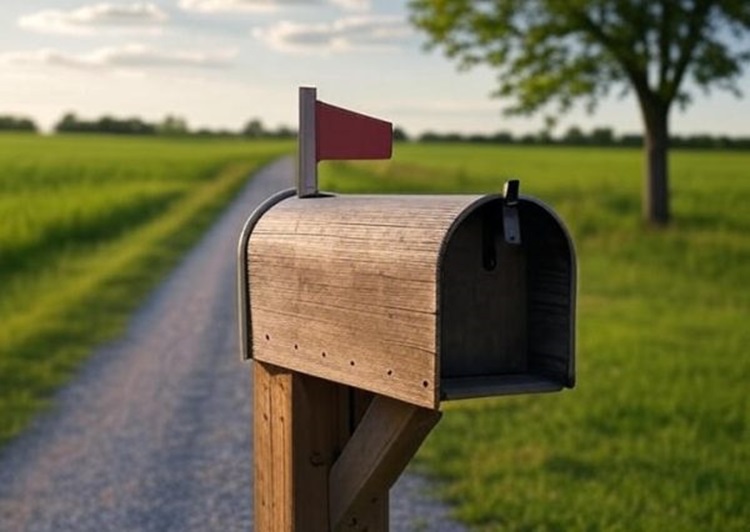
At first, there were rules: the box had to be weather-tight, easy to open, and big enough for a few letters and maybe a small parcel. The postmaster would approve your box and assign your route number. But in true rural fashion, people quickly decided rules were suggestions.
Some used old biscuit tins. Others mounted coffee cans on hockey sticks. One creative fellow in Bruce County used a repurposed cream can, painted bright red with his name in shaky white letters, it’s still there today, a century later.
Mailbox Engineering: Built to Survive the Unthinkable
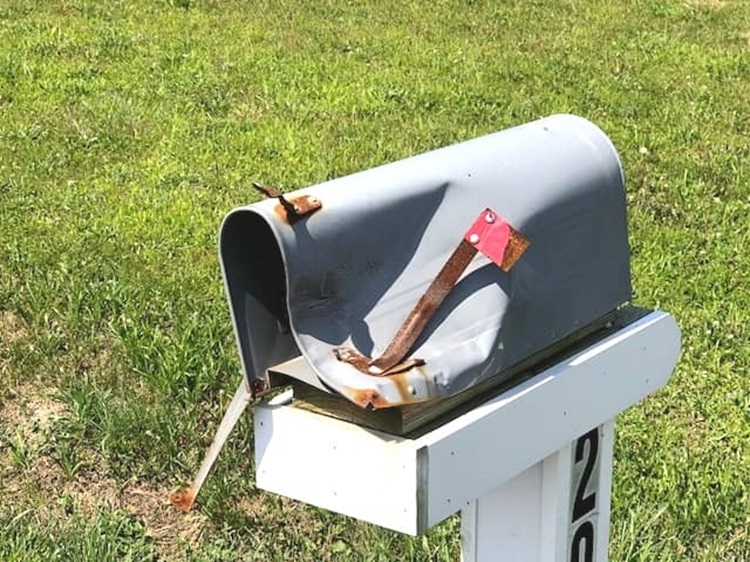
Every Ontario farm seems to have its own mailbox defense strategy. City folks may not realize this, but a rural mailbox faces danger. Not from snow or rain (though both do their best), but from that notorious rural menace, the mailbox basher.
If you’ve lived in the country, you know the type: teenagers armed with baseball bats and bad judgment. They strike in the night, giggling and driving away before sunrise, leaving a trail of twisted tin carnage. In response, farmers got creative.
Some installed steel pipes filled with concrete. Others mounted their boxes on swinging hinges that bounce right back. One legend from Grey County tells of a mailbox made entirely of an old tractor muffler, unbending, unbreakable, and still in use. There’s even a rumour about a farmer near Lindsay who rigged his box on a spring-loaded pivot that would “return to sender” anything that hit it. Nobody’s tested it twice.
Mailboxes with Personality
Rural Ontario mailboxes are more than just functional they’re full of personality.
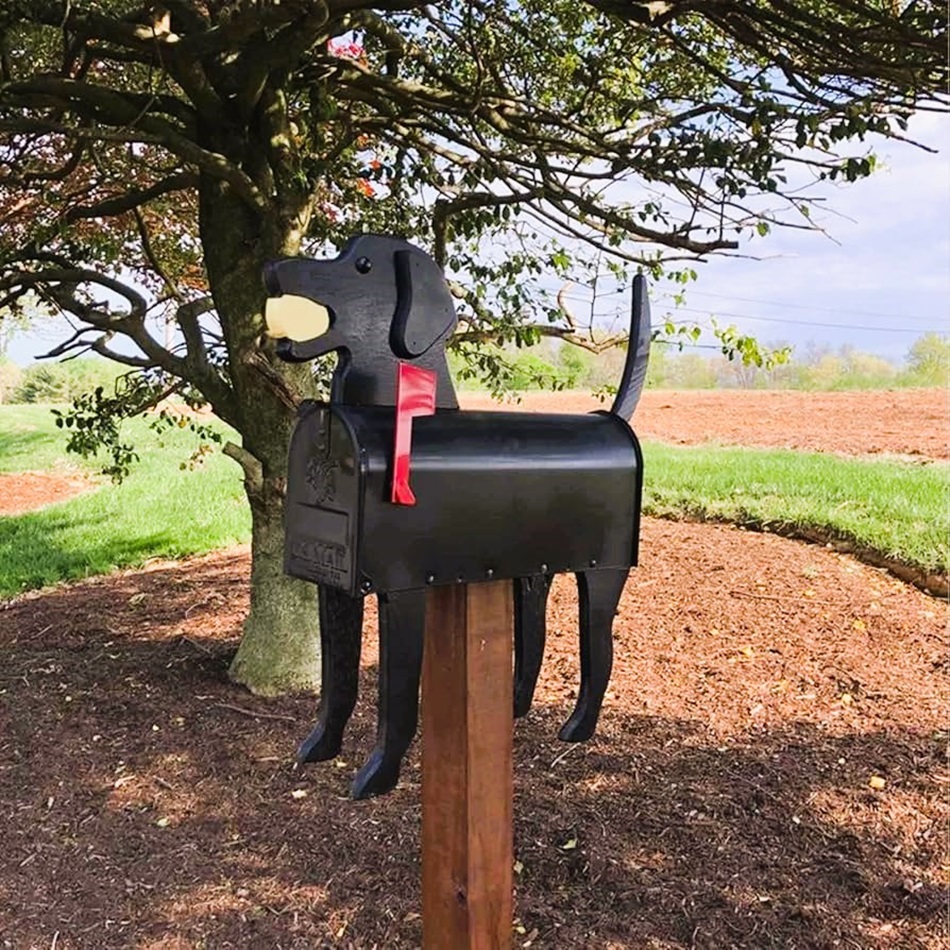
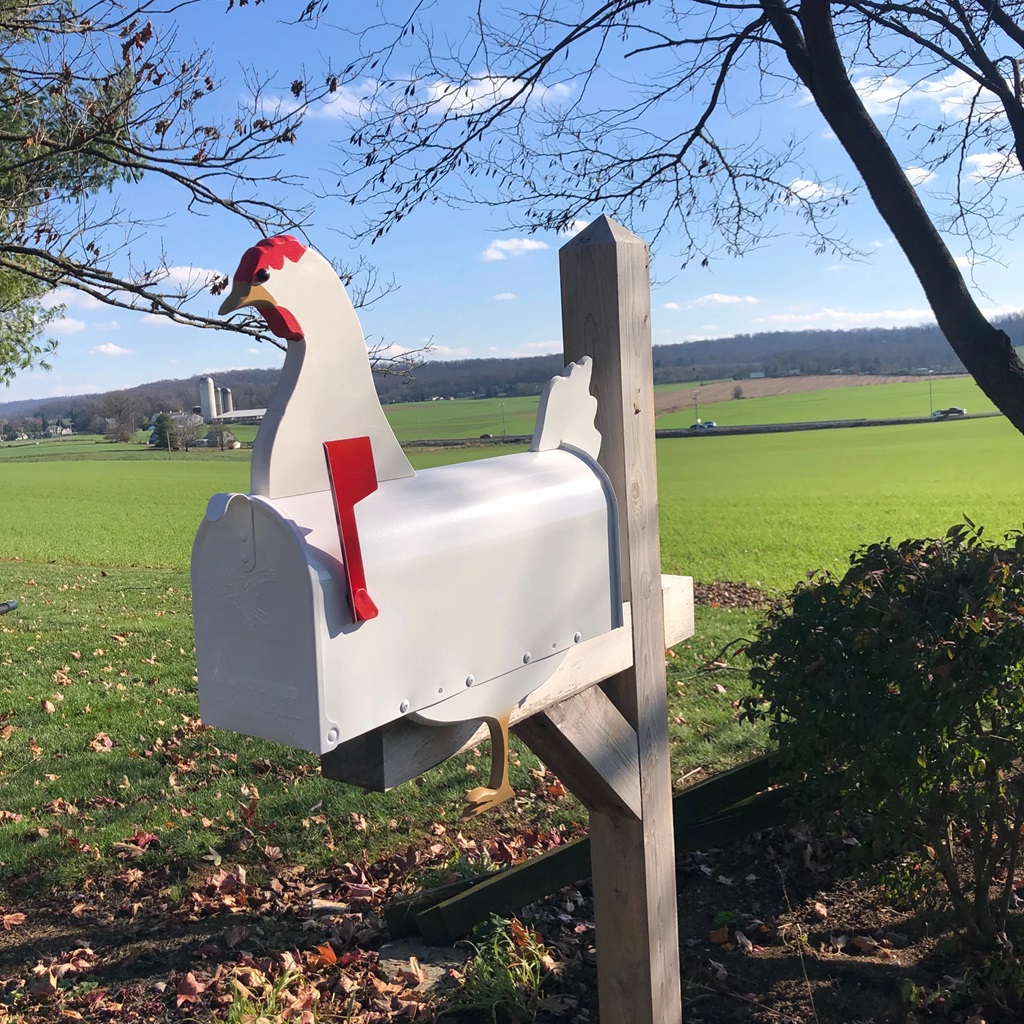
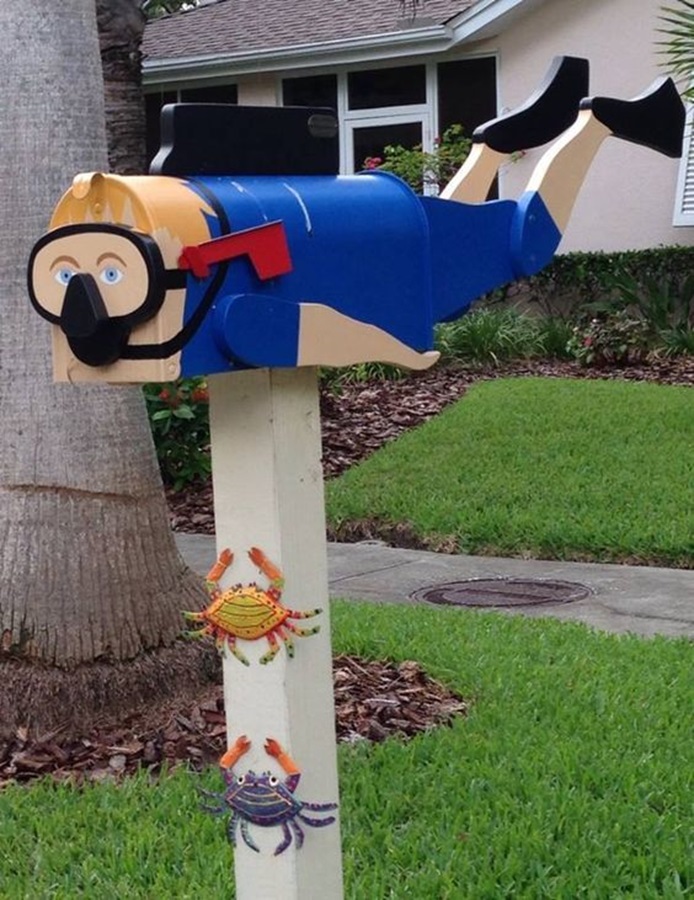
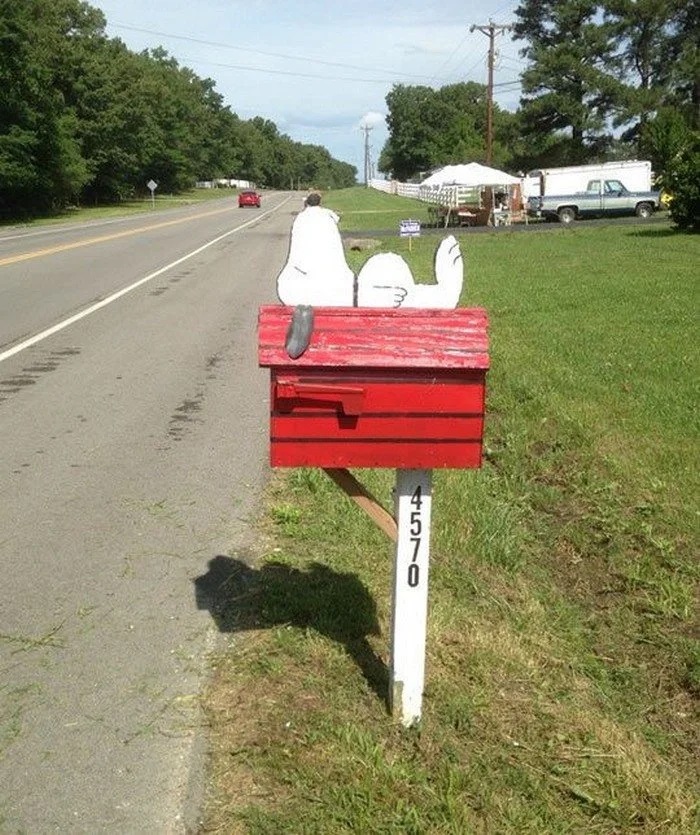
- Animal themes: You’ll spot boxes shaped like cows, pigs, or galloping horses, often painted with comic detail. Somewhere near Port Elgin there’s a giant wooden fish that swallows the mail.
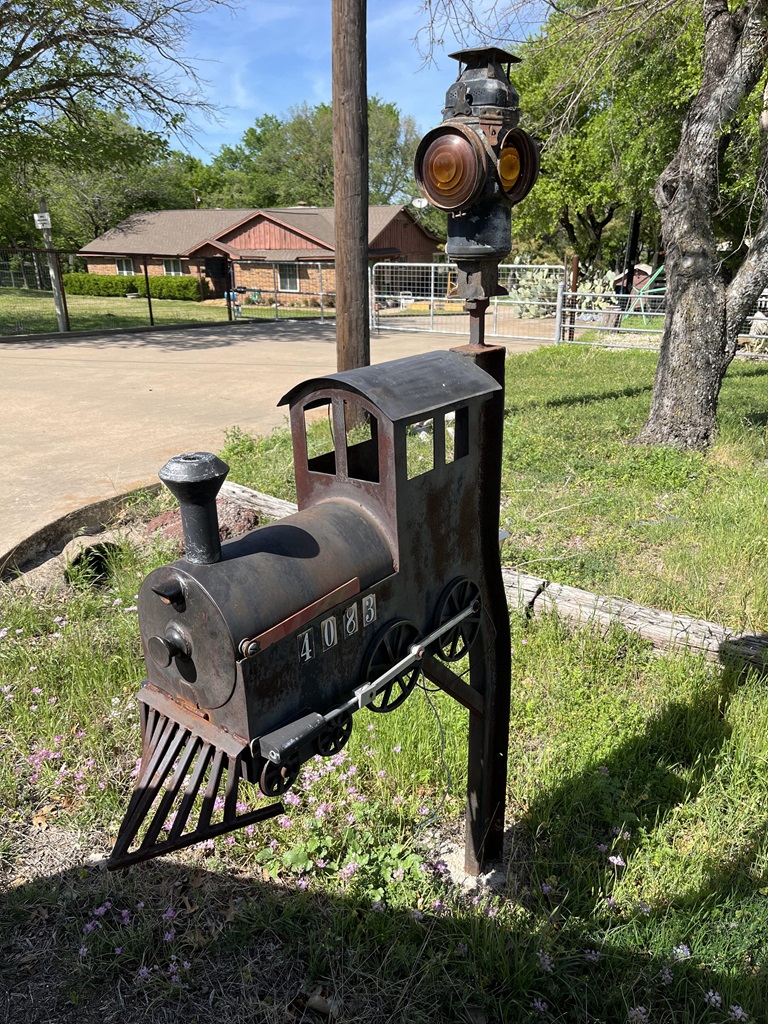
- Vehicle lovers: In the Kawarthas, one farmer crafted a miniature red tractor with a mailbox where the engine should be. Another near Orono has a vintage 1950s pickup truck, with working headlights that glow at dusk.
- Homemade humour: A mailbox in Prince Edward County reads, “Bills only, junk mail will be composted.” A nearby neighbour countered with, “Free junk mail, inquire within.”
And sometimes, the mailbox itself becomes a tribute. You’ll see small plaques: “In memory of Grandpa Bill,” or an old rural route number lovingly repainted every few years by the next generation.
The Art of Placement
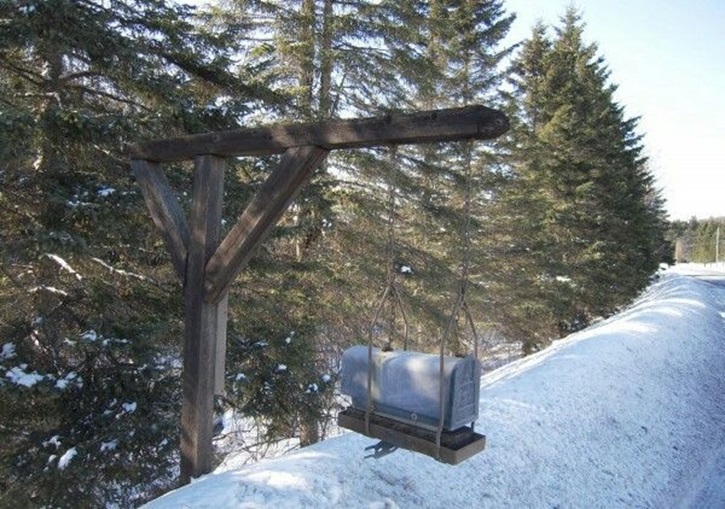
There’s an unspoken art to where you place your rural mailbox. Too close to the ditch, and it’ll be swallowed by the first snowplow. Too far from the lane, and you’ll need snowshoes to get your mail in February. Some are perched proudly atop ten-foot poles, seemingly defying gravity.
A common sight in winter is the “mailbox mountain”, a wooden frame holding five or six boxes, each belonging to a family along a sideroad too icy for the mail truck. The arrangement often looks like a miniature condo complex for letters, “Mailbox Heights,” population 12.
Of Snowplows, Squirrels, and Canada Post
Mailboxes endure. They face down snowdrifts taller than pickup trucks and plow sprays that could knock over a moose. Every rural Ontarian knows the heartbreak of finding their box flattened after a February storm. Yet, somehow, by the next week, there it is again, rebuilt, reinforced, and standing proud.
They also host unexpected guests. Mice make nests in them. Squirrels stash acorns. One farmer from Huron County once opened his mailbox to find a tiny garter snake snoozing on the junk mail flyer for garden hoses. Talk about targeted marketing.
Rural Innovation, One Box at a Time
In the age of online shopping, rural mailboxes have had to adapt. The humble letter slot has evolved into full-blown parcel boxes, some with clever wooden compartments or metal hatches. One inventive farm family near Orangeville built a two-tier system: top for letters, bottom for packages, and a sign that reads, “Amazon Approved.”
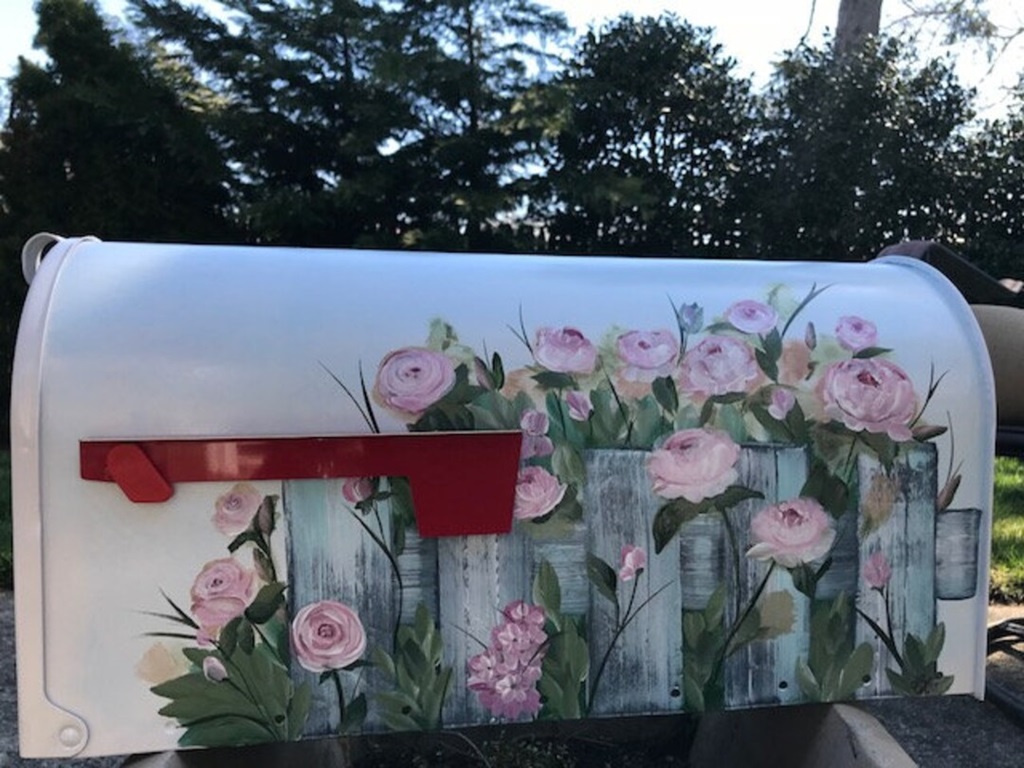
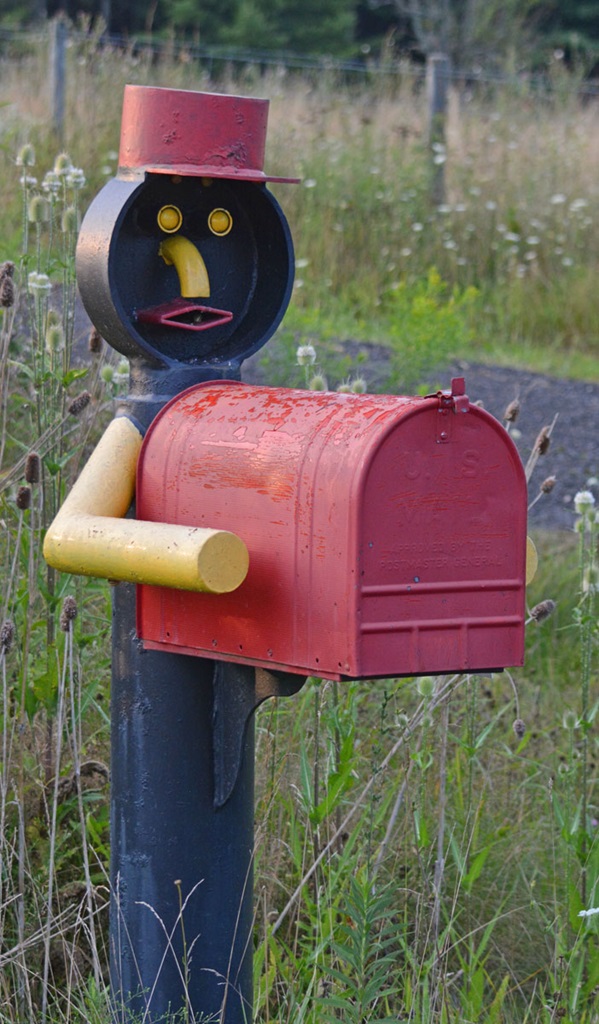
Then there are those who’ve turned their mailboxes into small art galleries. You’ll see paint jobs that rival murals: landscapes, sunsets, even portraits of beloved pets. For some families, the mailbox is a proud statement, a signature of their creativity, humour, and self-reliance.
A Symbol of Connection
Behind every quirky, dented, lovingly maintained mailbox lies a bigger story, about community. In small towns and rural concessions, the daily visit from the mail carrier is still a social thread. The red flag raised on the side isn’t just for outgoing mail; it’s a symbol of connection.
For generations, these boxes have carried birthday cards, Christmas greetings, and long-awaited letters from family far away. Even today, when bills arrive by email and most communication is instant, people still smile when they see that red flag lifted. There’s something reassuring about it, something real.
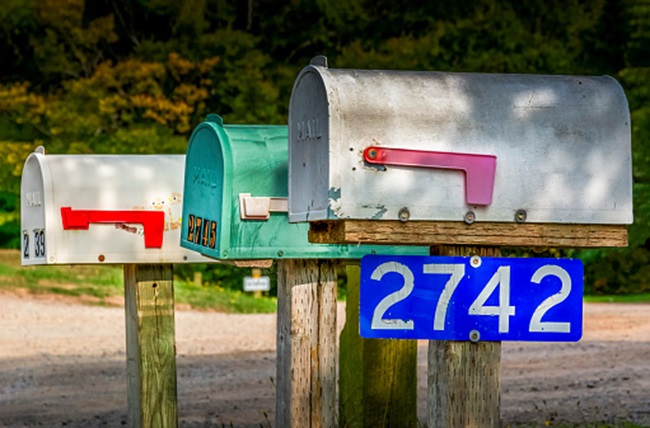
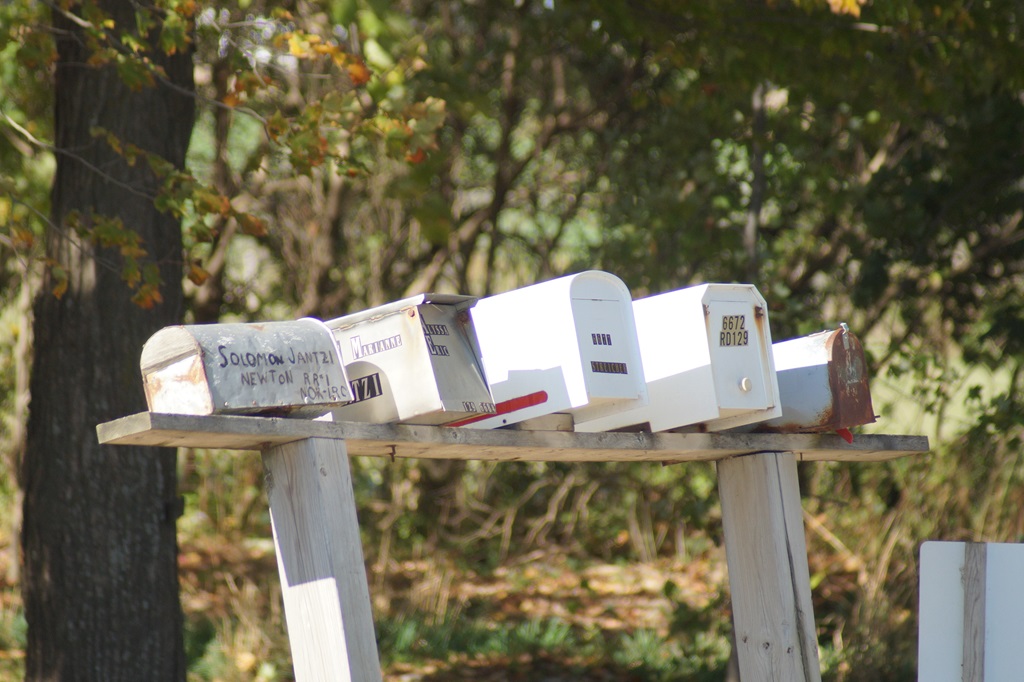
Three rural mail boxes in the countryside of Nova Scotia on an early autumn day.
The Future of the Rural Mailbox
So, what’s next for Ontario’s country mailboxes? Will they fade away like dial telephones and handwritten letters? Not likely, though they’re certainly changing.

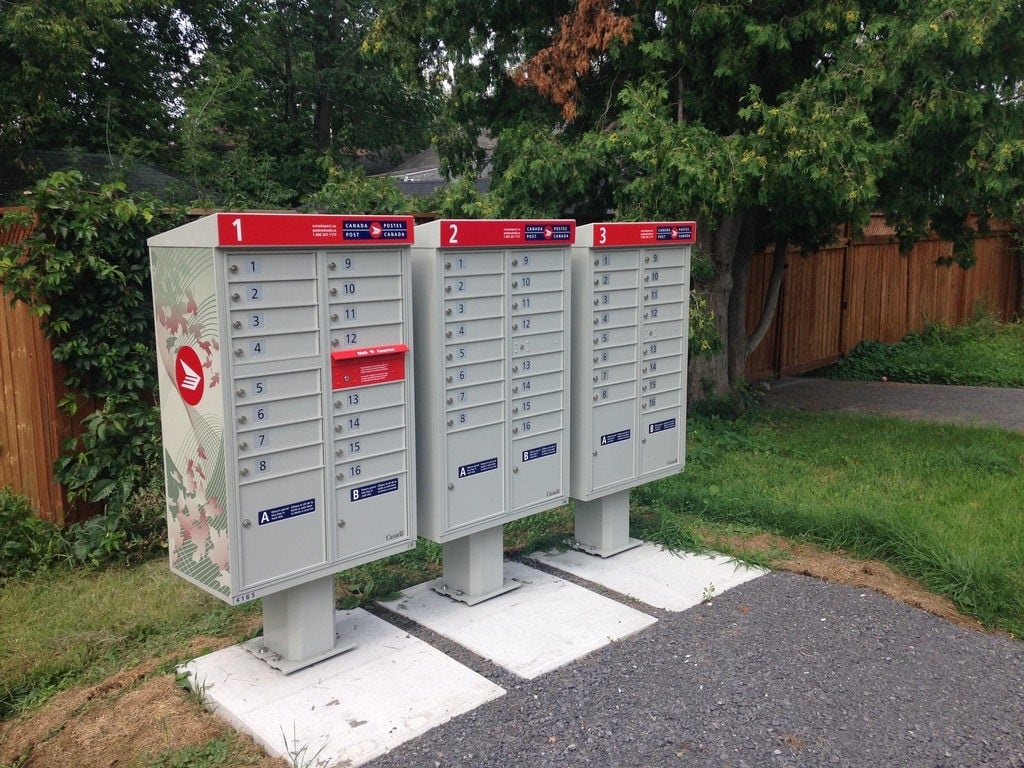
Canada Post has reduced rural deliveries in some regions, and more people pick up mail at community “superboxes.” But drive through rural Ontario, and you’ll see no shortage of creativity and pride. These boxes aren’t just postal tools, they’re part of the landscape, part of rural identity.
The next generation of mailboxes might have solar lights for safety, built-in parcel lockers, or even digital sensors that alert you when mail’s arrived. (Imagine: a text message saying, “You’ve got mail… in the middle of the field.”)
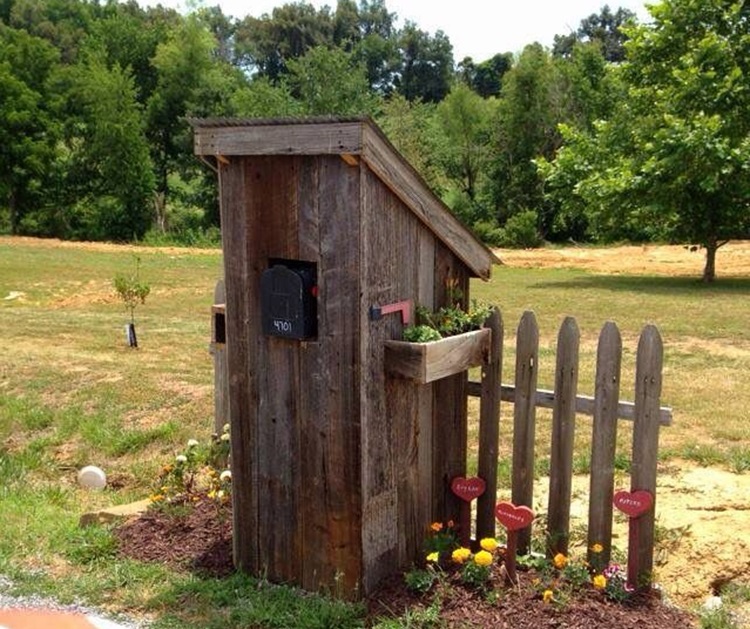
Some rural innovators are even turning old mailboxes into mini-libraries, seed exchanges, or “neighbourhood swap boxes.” A few are decorated as pollinator shelters, small acts of sustainability along the roadside. The mailbox, it seems, is reinventing itself.
And for all the talk of drones, apps, and smart deliveries, one thing’s certain: no bit of high-tech plastic will ever match the charm of a dented tin box, hand-painted with a family name and a splash of personality.
The Last Word (or Letter)
So next time you’re cruising a winding country road, take a moment to notice the parade of personalities standing at the end of each lane. Each one has a story, a touch of ingenuity, a dash of stubbornness, and a whole lot of Ontario heart.
In a world of high-speed everything, rural mailboxes remind us that connection still happens at 60 km/h down a dusty road, when you roll past a farm gate and spot a bright-painted box with a cow on top and a name proudly stenciled: “The Johnsons.”
You can’t help but smile, and maybe, just maybe, slow down enough to appreciate that little bit of rural art, history, and humour, still alive and well on Ontario’s roadsides.