




Sainte-Marie among the Hurons — Midland
📍 16164 Highway 12 East, Midland, Ontario
🏛 Historic mission site interpreting early Indigenous and European contact
🌾 Living-history exhibits, historic buildings, cultural interpretation
Plan Your Visit
📍 Location: Midland, Ontario (Simcoe County)
🕒 Season: Open seasonally with special events and winter programs
🏛 Experience: Historic site, reconstructed mission buildings, interpretive exhibits
🚗 Parking: On-site parking available
🌐 Official Website: Huronia Historical Parks
Step Into the Early History of Huronia
Located near Midland on the shores of Georgian Bay, Sainte-Marie among the Hurons preserves the story of one of the earliest European settlements in Ontario and its connection with the Wendat (Huron) people.
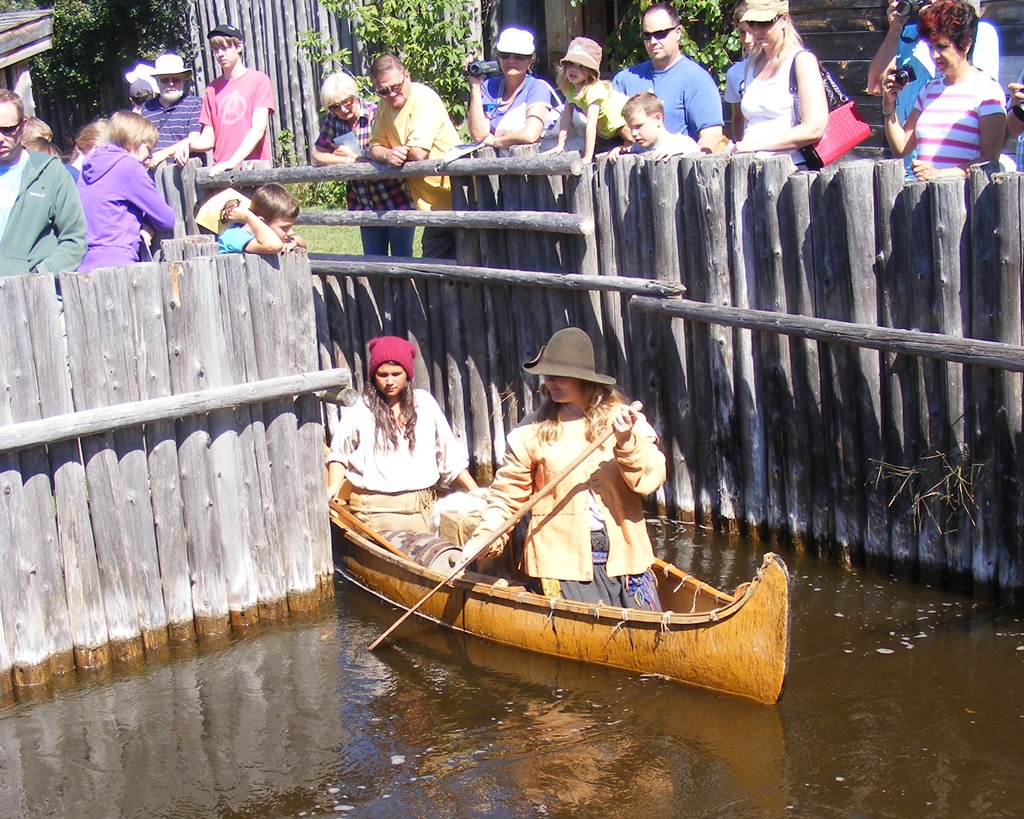
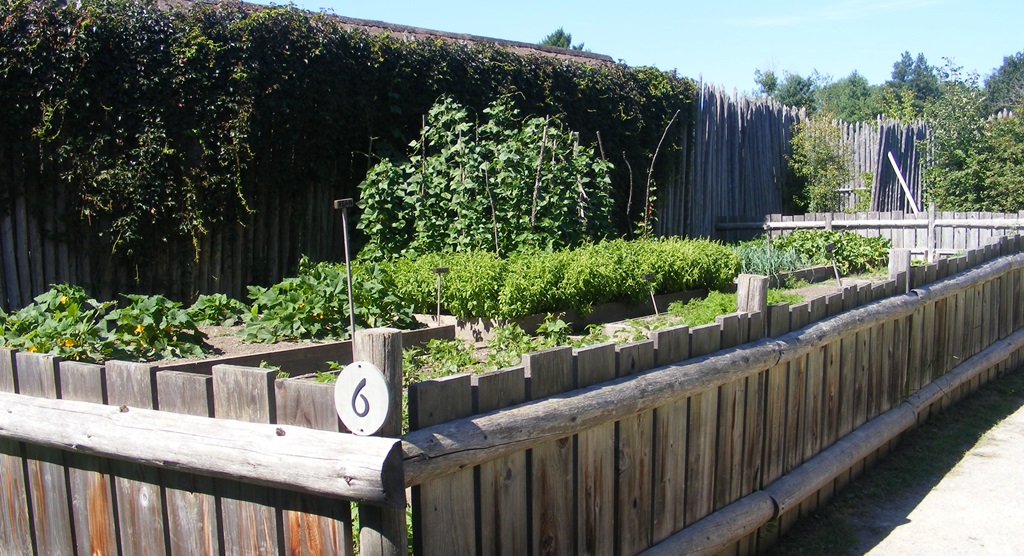
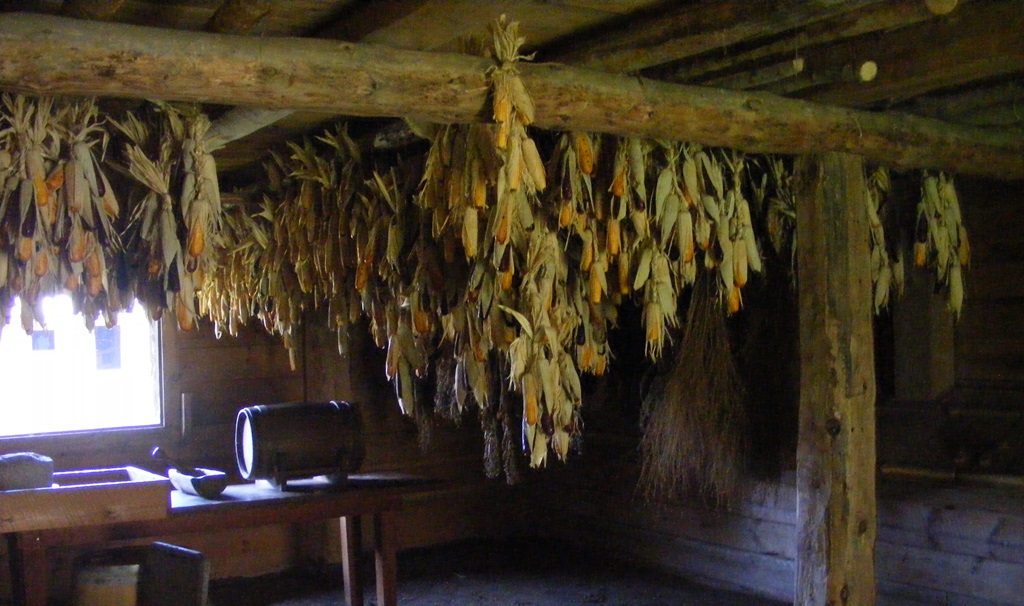
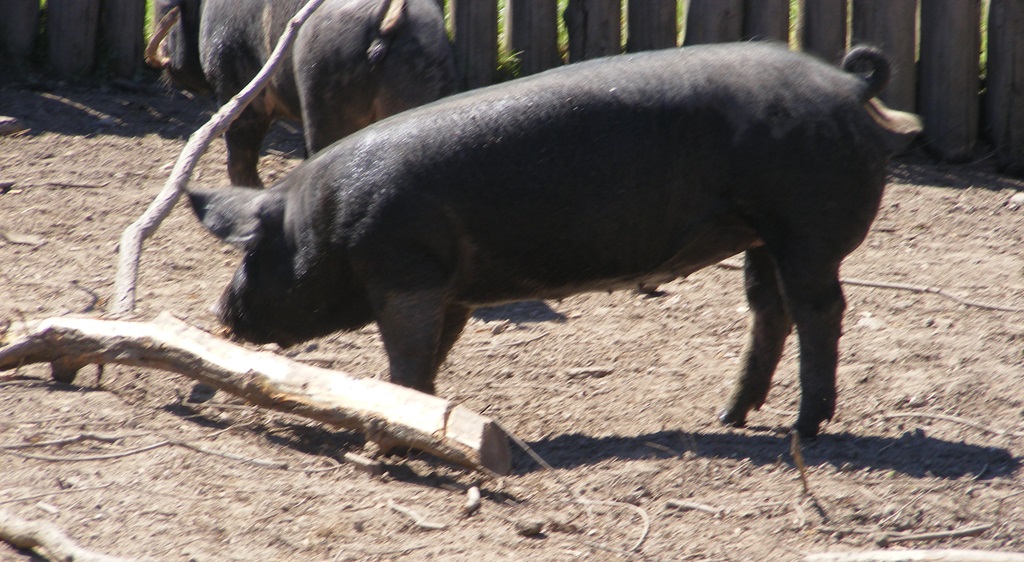
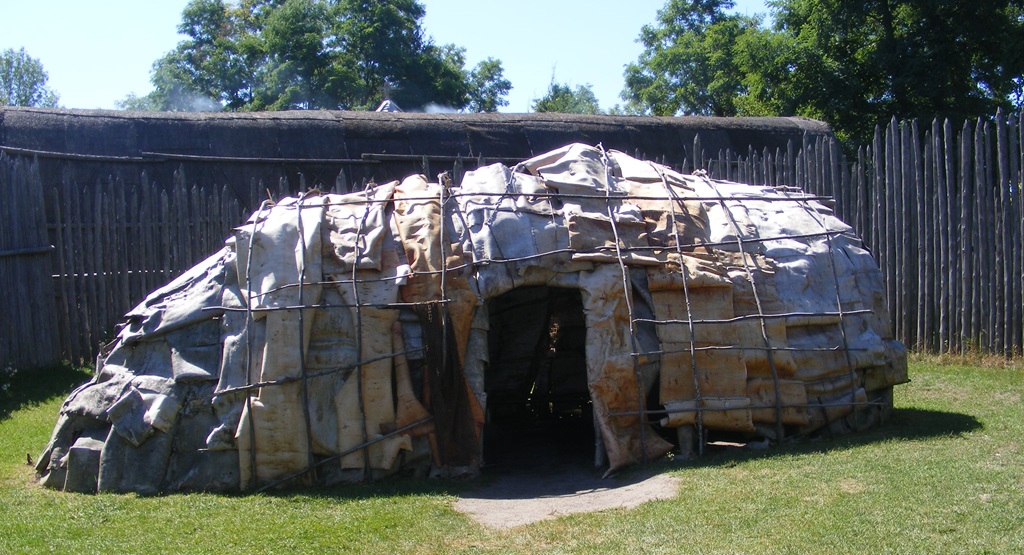
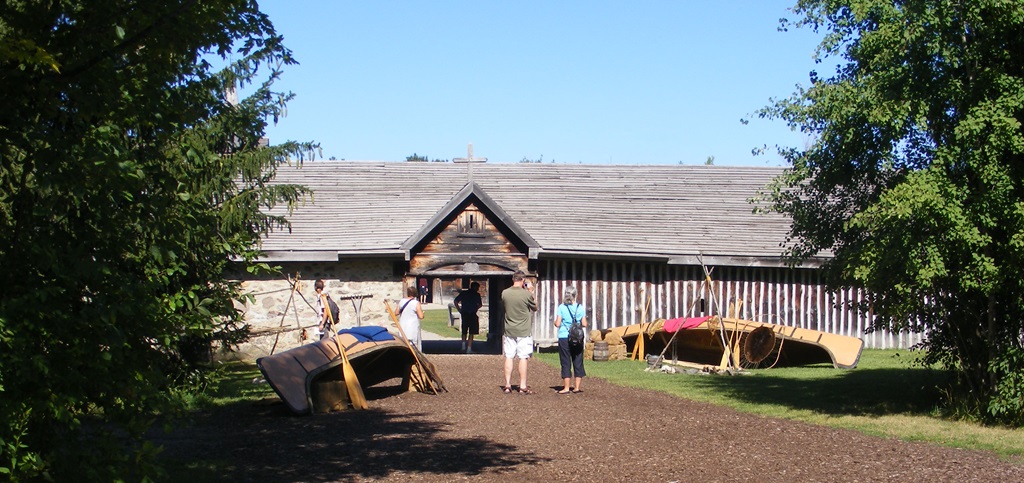
Originally established in 1639 as a Jesuit mission, Sainte-Marie served as a centre for religious, cultural, and agricultural activity in what was then known as Huronia. Today the reconstructed historic site allows visitors to explore buildings, workshops, gardens, and living spaces that reflect life during the early years of European contact in the region.
Through interpretive programs, exhibits, and demonstrations, visitors gain insight into the daily routines, cultural exchanges, and challenges faced by the people who lived and worked at the mission. The site helps tell an important story about the early history of the region and the communities that shaped it.
Did You Know?
Sainte-Marie among the Hurons is considered Ontario’s first European community, established in 1639 as the headquarters for Jesuit missionaries working among the Wendat people.
The Heritage Attraction at a Glance & the Story Behind the Site
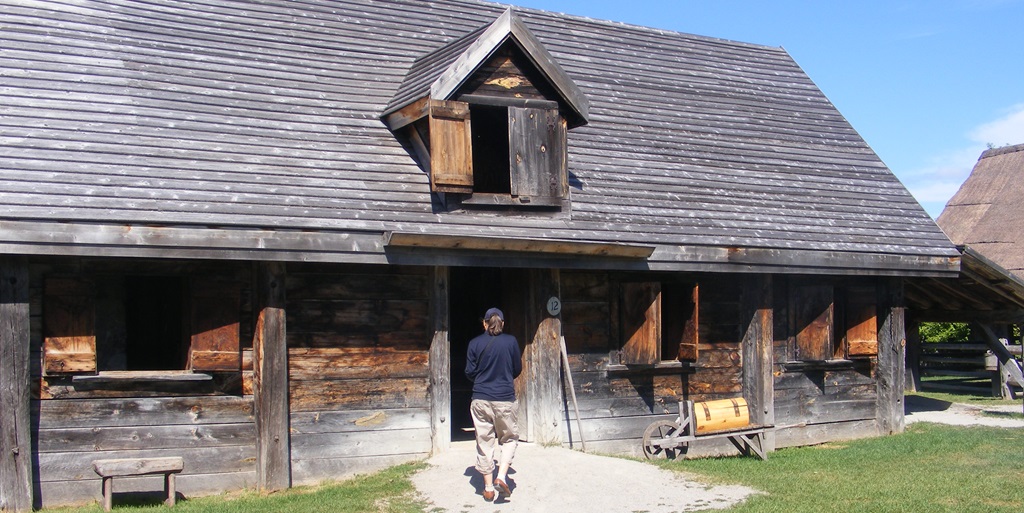
Sainte-Marie among the Hurons is one of Canada’s most significant early historic sites, preserving and interpreting the remains and reconstruction of a 17th-century French Jesuit mission established between 1639 and 1649. Located in Midland on the shores of Georgian Bay, the site offers a rare and immersive look at the earliest sustained interactions between European missionaries and Indigenous peoples in what is now Ontario.
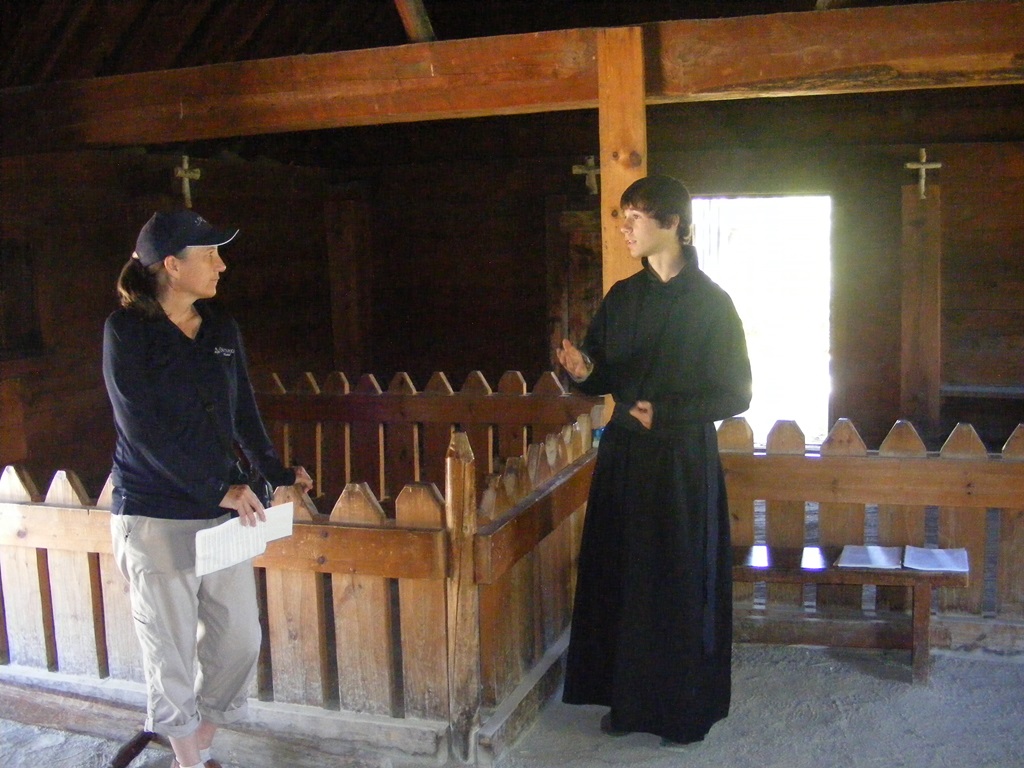
Founded as a mission, community centre, and supply base, Sainte-Marie served as the headquarters for Jesuit efforts among the Huron-Wendat Nation. Today’s site includes reconstructed buildings, archaeological remains, and interpretive exhibits that present daily life, spiritual practices, and the complex cultural exchanges that took place during this period.
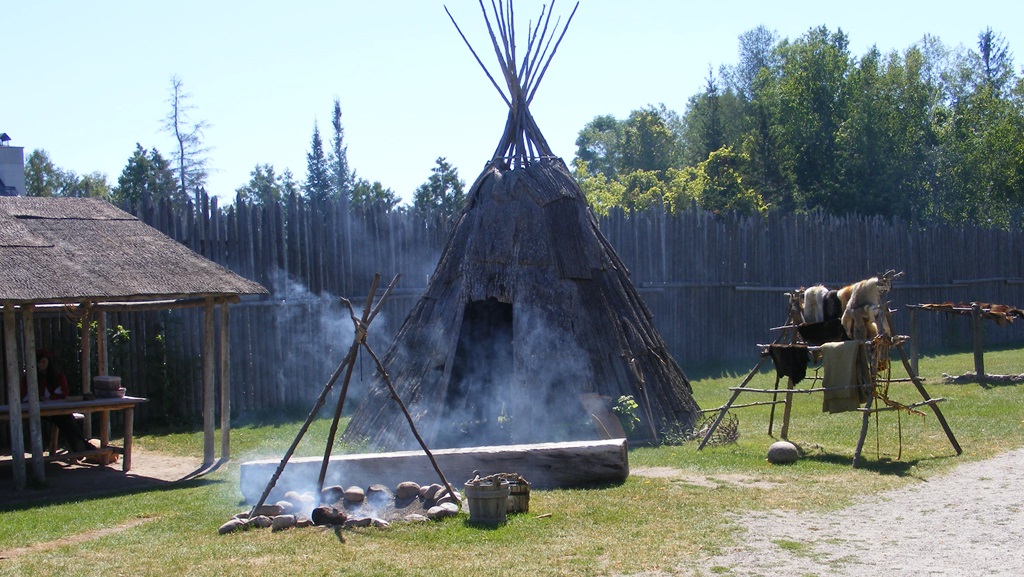
Interpretation at Sainte-Marie places strong emphasis on historical accuracy and balance, acknowledging both Indigenous and European perspectives. The site recognizes that it stands on traditional Huron-Wendat territory and works to present this shared and often difficult history with care, respect, and ongoing dialogue.