




Coldwater — Simcoe County
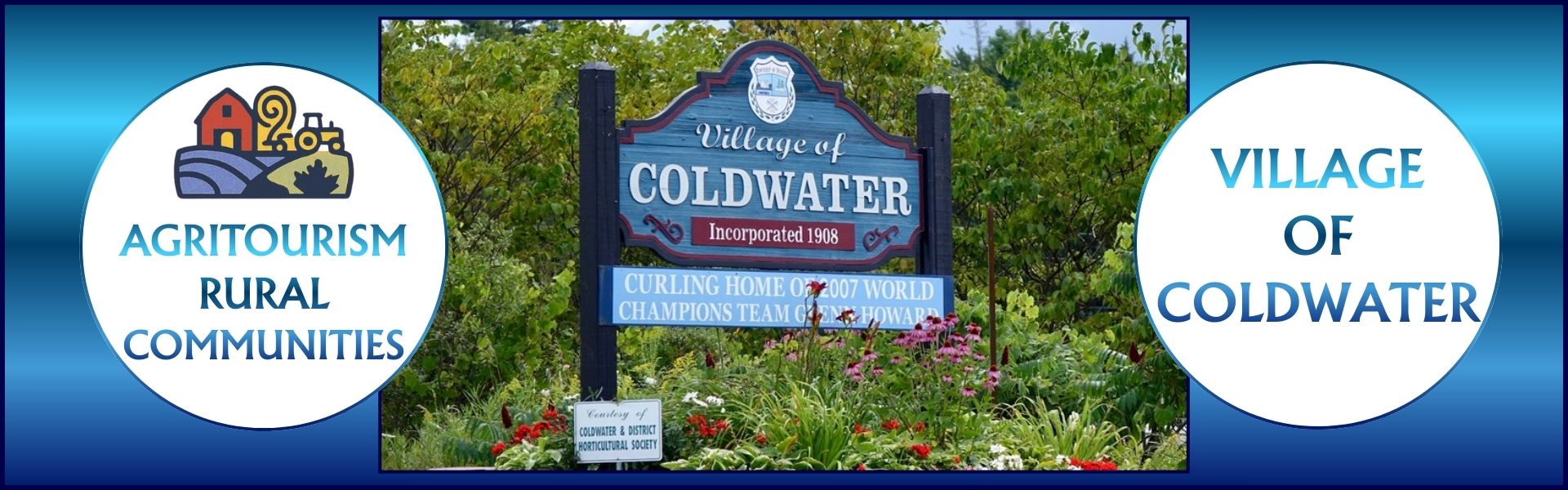
📍 Coldwater, Ontario (Severn Township)
🏡 Historic village known for its heritage buildings and rural charm
🌾 Gateway to the farms, waterways, and countryside of Simcoe County
Plan Your Visit
📍 Location: Coldwater, Ontario (Severn Township, Simcoe County)
🕒 Season: Year-round destination with seasonal events and markets
🏡 Experience: Historic downtown, heritage buildings, nearby farms and rural attractions
🚗 Parking: Street parking available throughout the village
🌐 Community Information: Township of Severn
Discover a Historic Village in Simcoe County’s Countryside
Located along the banks of the Coldwater River in Simcoe County, the village of Coldwater offers visitors a welcoming glimpse into small-town Ontario surrounded by farms, forests, and waterways.
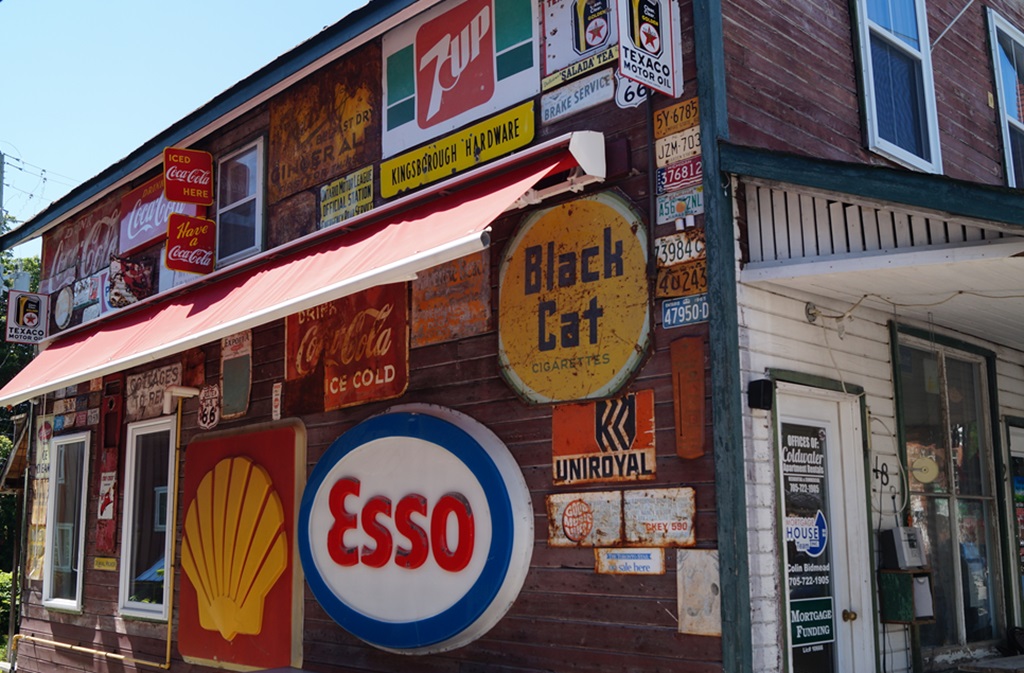
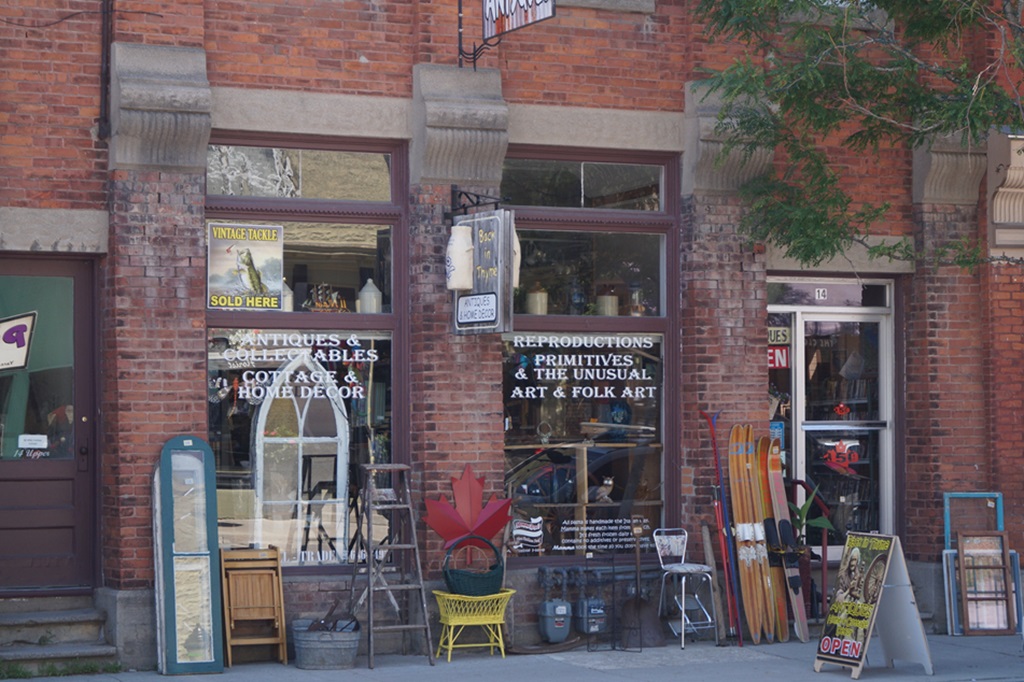
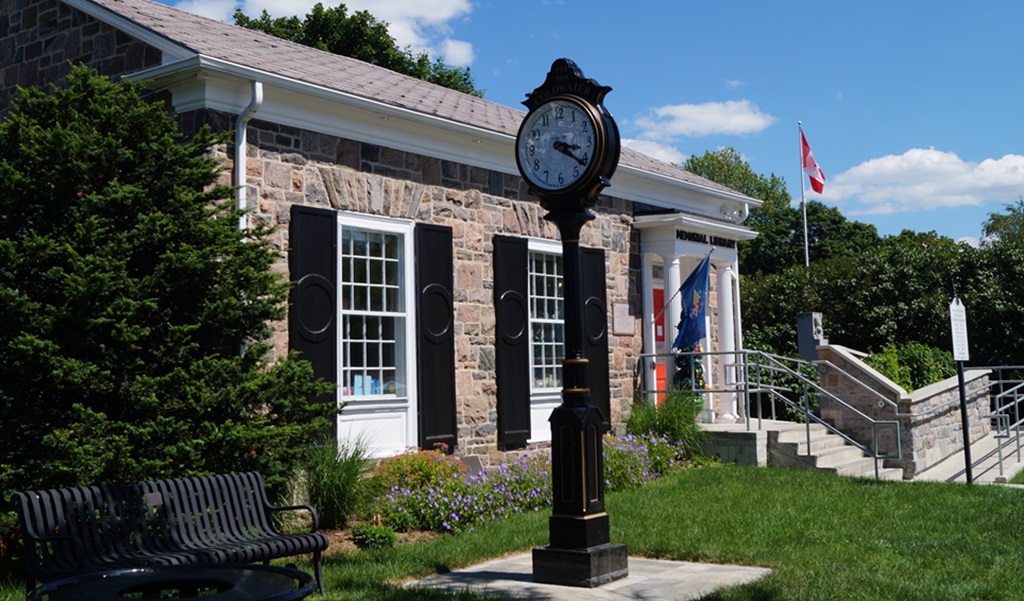
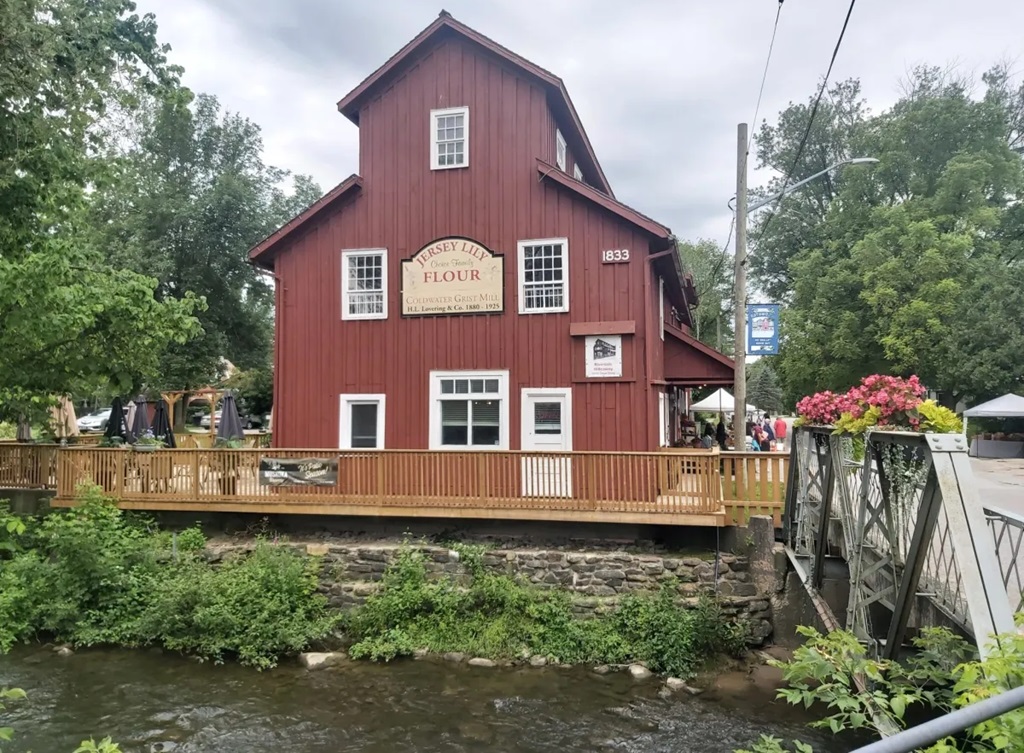
The village is known for its well-preserved historic downtown streetscape, where heritage buildings, local shops, and community spaces reflect Coldwater’s long history as a rural service centre for nearby farms and communities. Today, the village continues to celebrate its heritage through seasonal events, local markets, and community festivals that bring residents and visitors together.
For travellers exploring the agritourism experiences of Simcoe County, Coldwater provides a convenient and charming base for discovering nearby farms, markets, and rural attractions throughout the surrounding countryside.
Did You Know?
Coldwater was once an important stopping point along early travel routes between Lake Simcoe and Georgian Bay, helping the village grow as a small but important trading and service centre for surrounding farming communities.
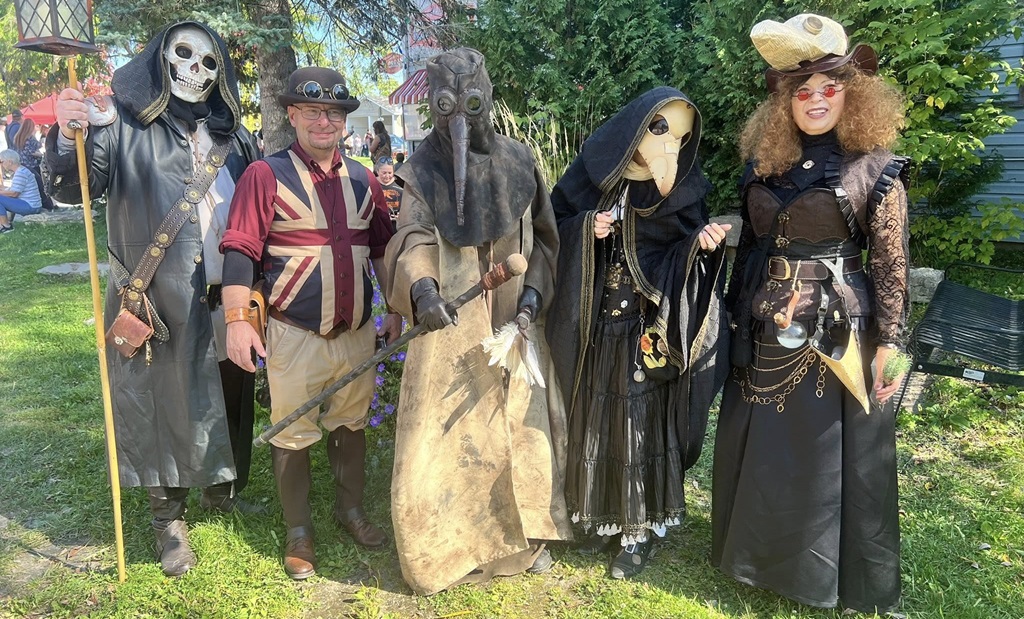
Steampunk Festival
A Historic Rural Village at the Crossroads of Ontario
Coldwater is a historic rural village in Simcoe County, located within the Township of Severn. Situated along Highway 12, Coldwater lies between Orillia and Midland, making it a natural gateway between southern Ontario and the Georgian Bay area.
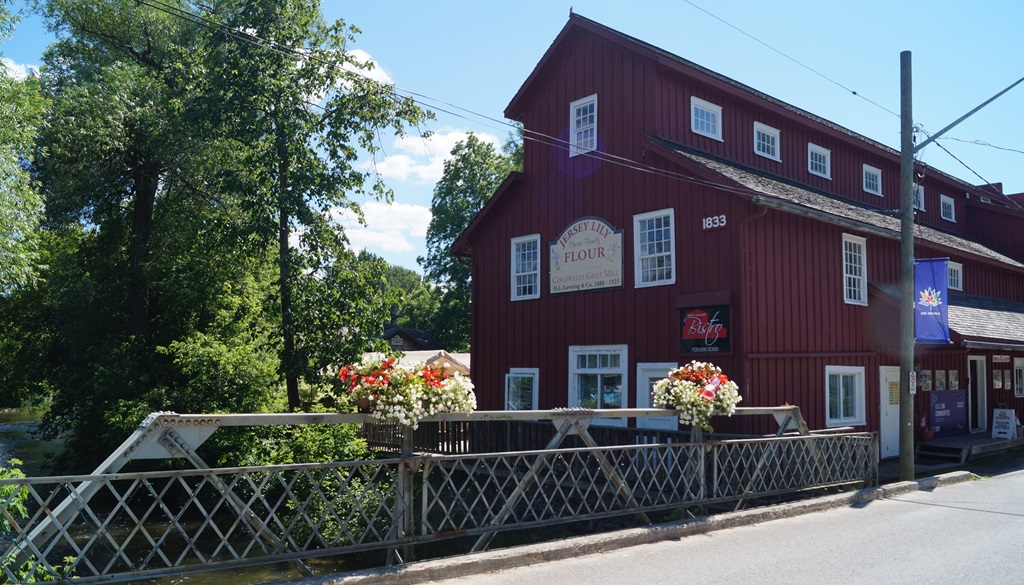
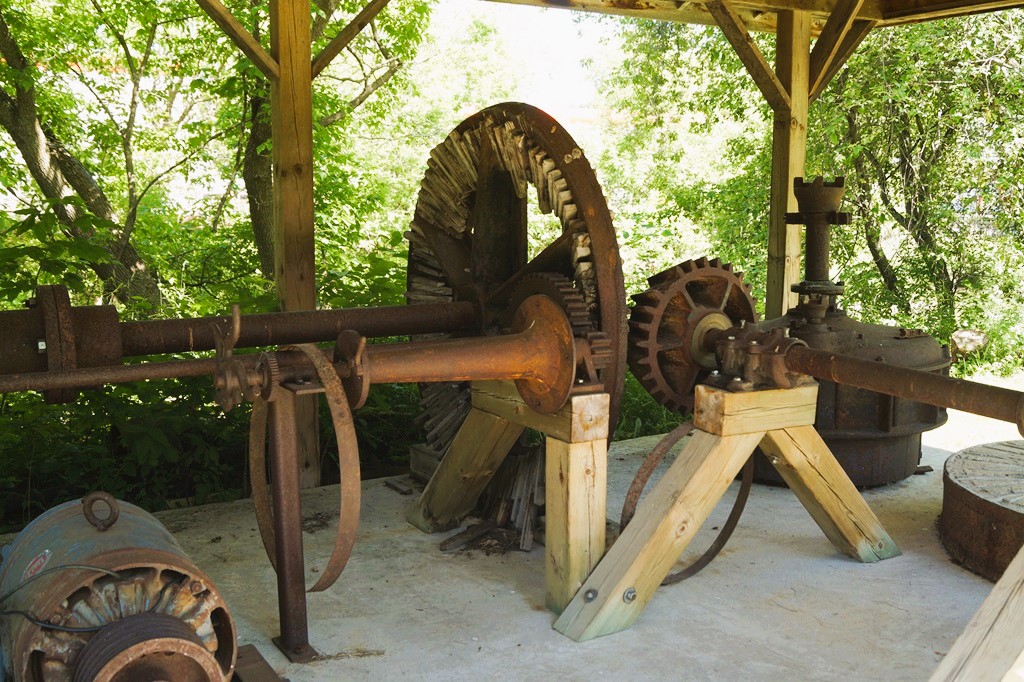
Coldwater is one of Simcoe County’s older communities, with roots that reach back to the early 19th century. Its growth was closely tied to the Coldwater River, which provided water power for early mills and attracted settlement. By the mid-1800s, Coldwater had become an important service centre for surrounding farms, supplying goods, services, and social life to a growing rural population.
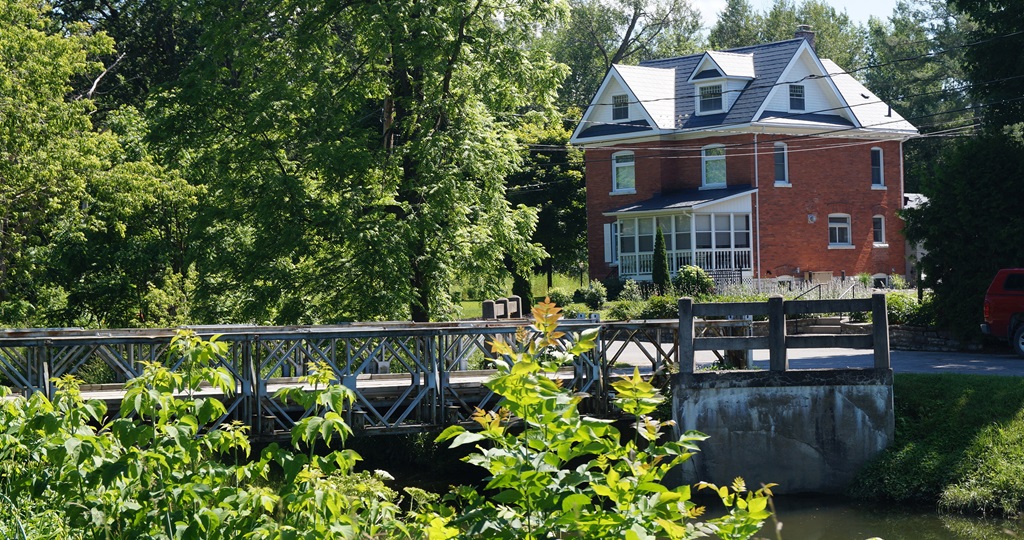
Despite its modest size, Coldwater has retained a strong sense of identity. Its historic buildings, compact village core, and long-standing institutions reflect a community that values continuity, heritage, and its role as a rural crossroads. Today, Coldwater continues to serve local residents while welcoming visitors travelling through Severn Township and Simcoe County.