




Fanshawe Pioneer Village — London
📍 1424 Clarke Road, London, Ontario
🏛 Living-history village preserving rural life in Southwestern Ontario
🌾 Historic buildings, farm demonstrations, pioneer heritage
Plan Your Visit
📍 Location: London, Ontario (Fanshawe Conservation Area)
🕒 Season: Open seasonally with heritage events and programs
🏛 Experience: Historic buildings, farm demonstrations, costumed interpreters
🚗 Parking: On-site parking available
🌐 Official Website: Fanshawe Pioneer Village
Step Into Southwestern Ontario’s Pioneer Past
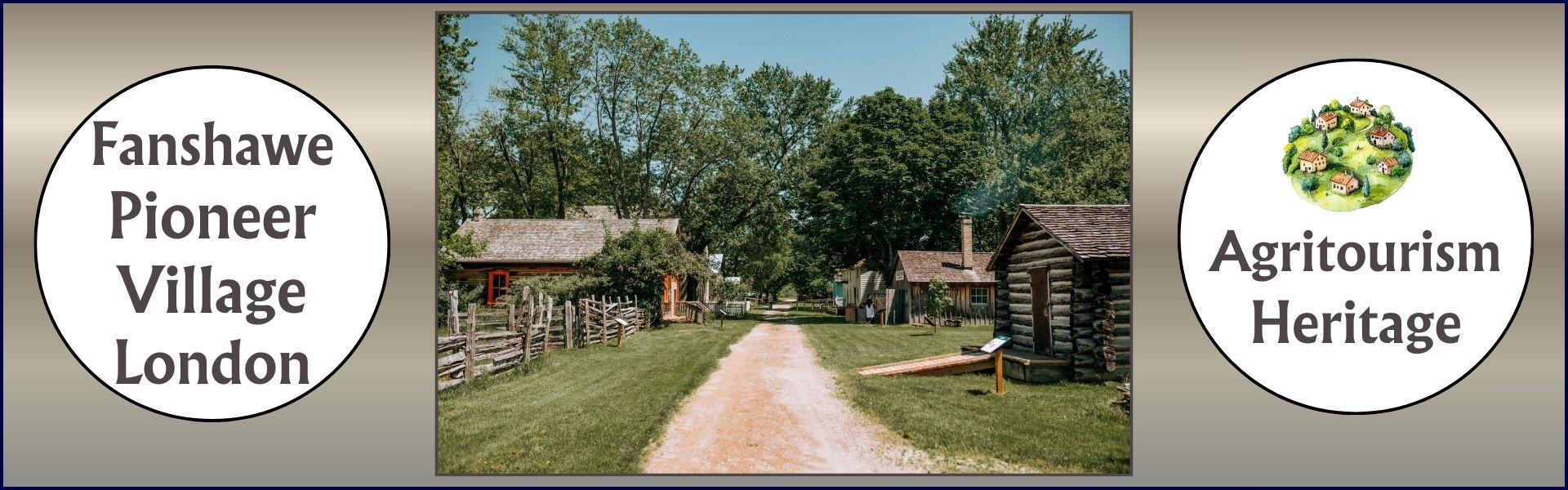
Located within Fanshawe Conservation Area in London, Fanshawe Pioneer Village recreates the atmosphere of rural communities in Southwestern Ontario during the 19th century.
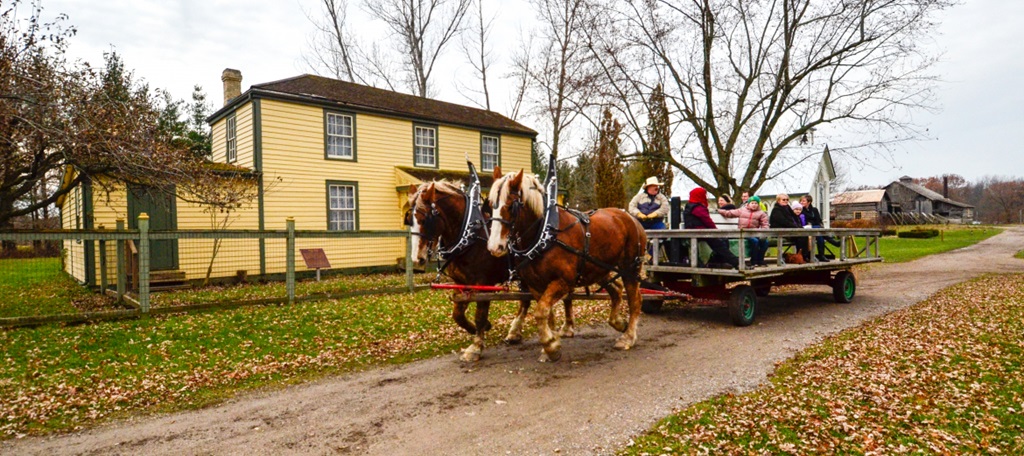
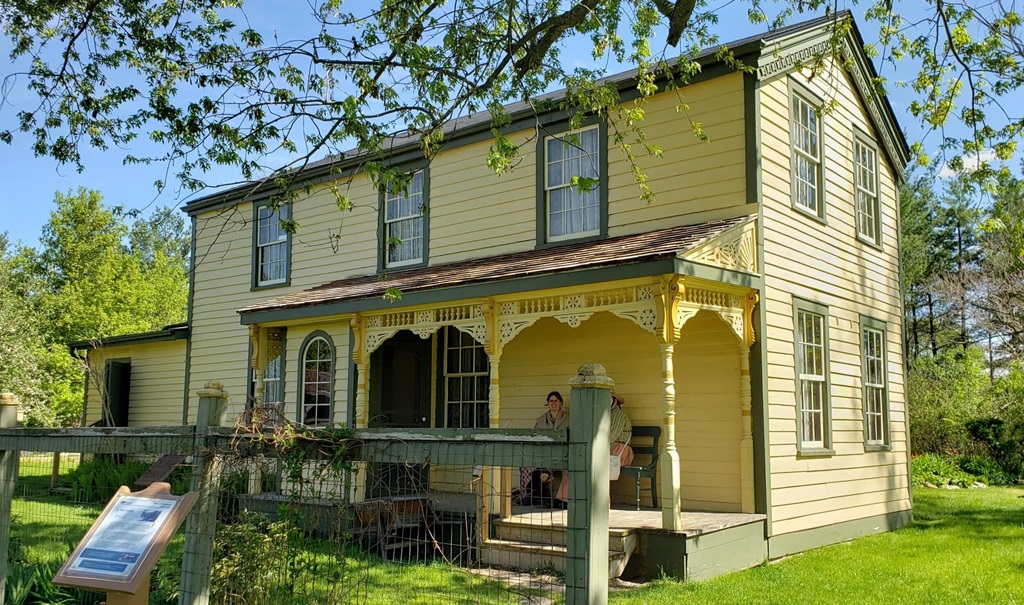
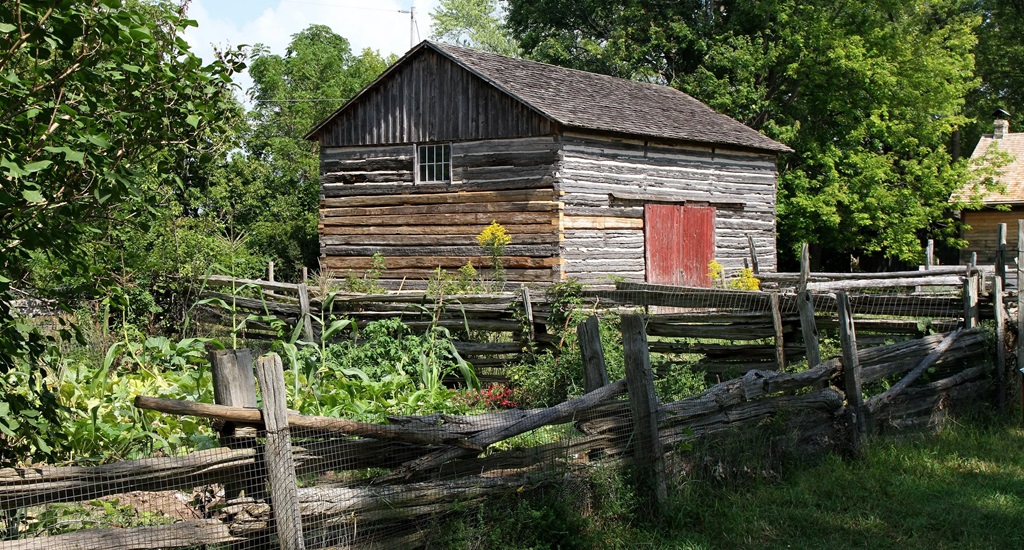
Visitors can explore a collection of historic homes, barns, and village buildings that illustrate how early settlers built farms and communities across the region. Demonstrations and exhibits help bring the agricultural traditions of the era to life, showing how farming families worked the land and supported growing settlements.
Through preserved structures and living-history programs, the village offers visitors a meaningful opportunity to experience the rural heritage that helped shape Southwestern Ontario.
Did You Know?
Fanshawe Pioneer Village features more than 30 historic buildings, many relocated from communities across Middlesex County to help preserve the region’s early rural history.
The Heritage Attraction at a Glance & the Story Behind the Site
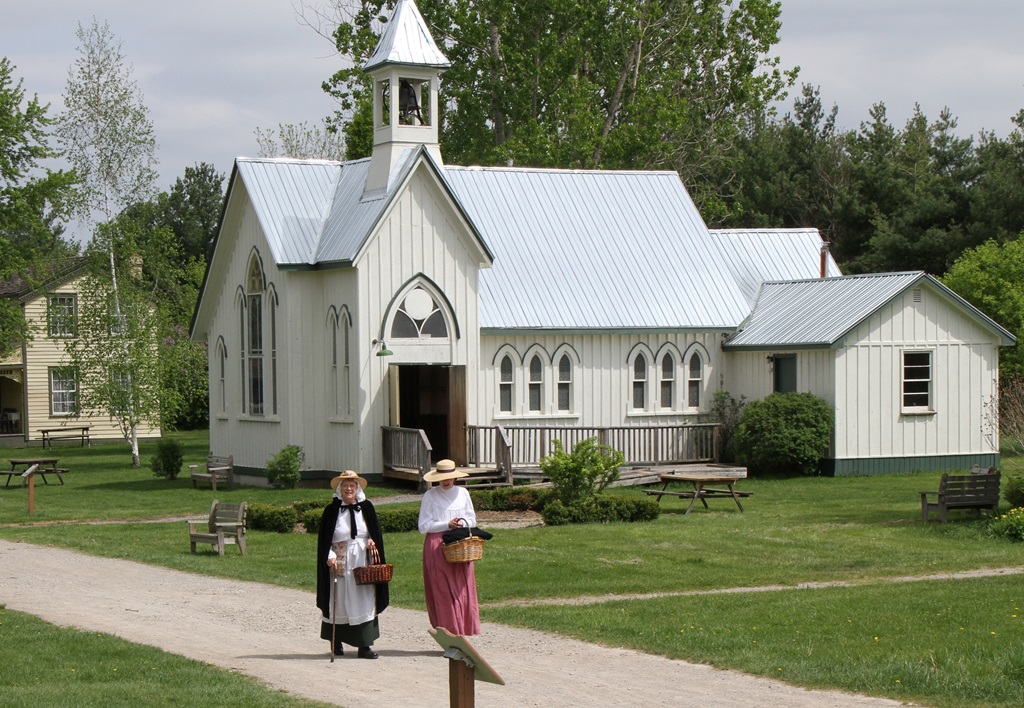
Fanshawe Pioneer Village is a living history museum located within the scenic Fanshawe Conservation Area in London, Ontario, preserving and interpreting the rural history of Middlesex County between 1820 and 1920. It was established in 1959 as a community effort to conserve historic buildings and pioneer heritage in southwestern Ontario, and today features over 30 restored and replica heritage structures spread across more than 46 acres of fields, gardens, and woodlands.
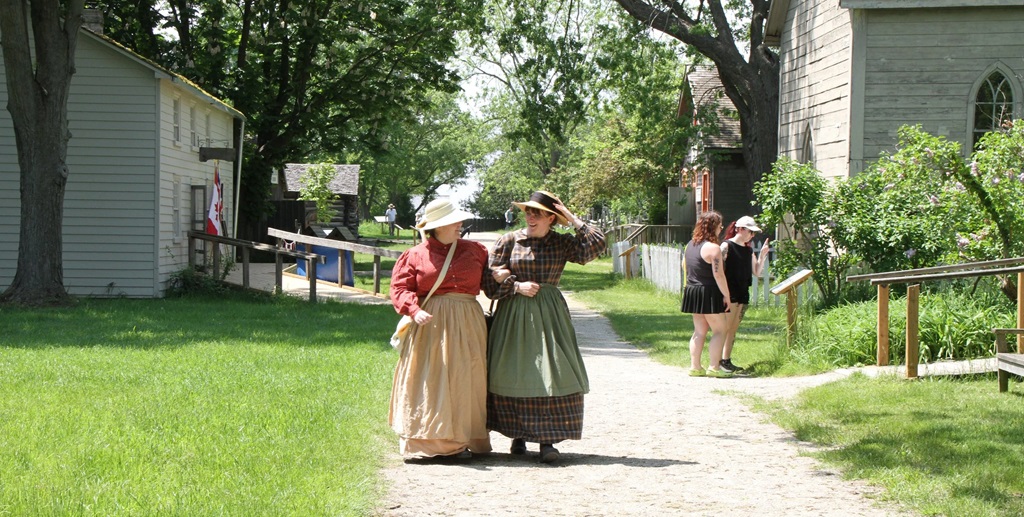
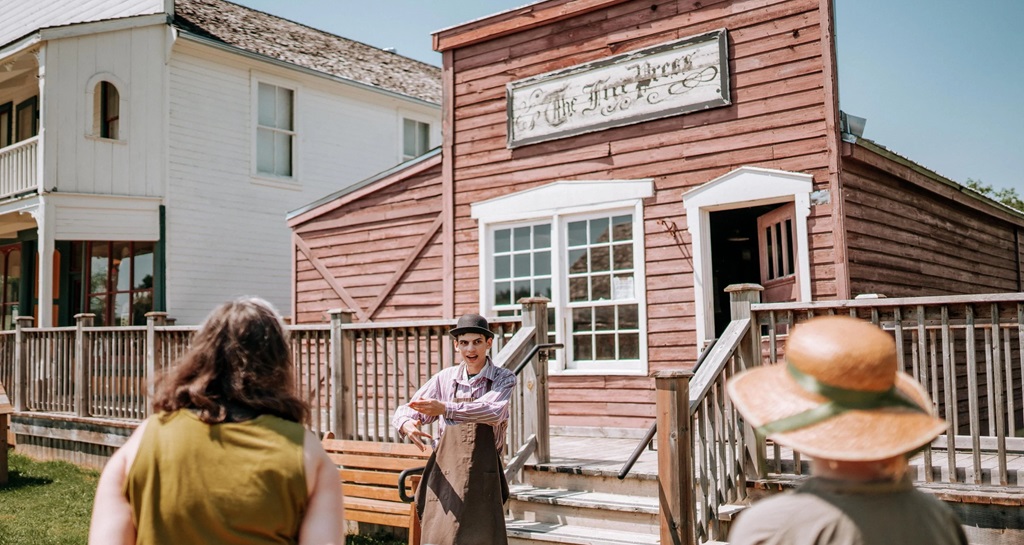
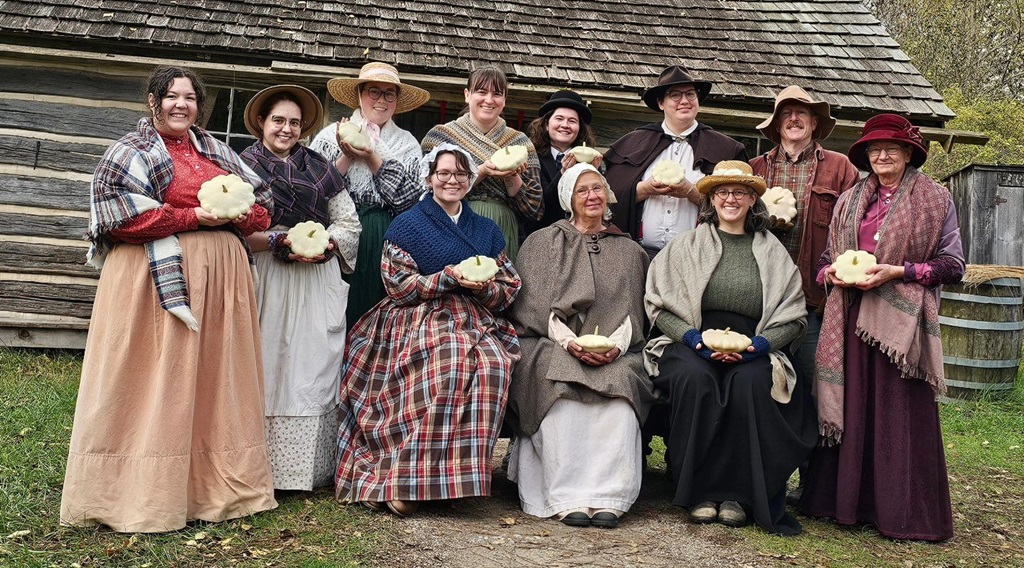
Visitors explore this open-air village to discover homes, barns, blacksmith shops, churches, schools, general stores, and more all furnished and interpreted to illustrate daily life in rural communities during the 19th and early 20th centuries. Costumed interpreters, volunteer guides, and interactive exhibits bring the past to life with demonstrations of historical crafts, trades, and seasonal activities.
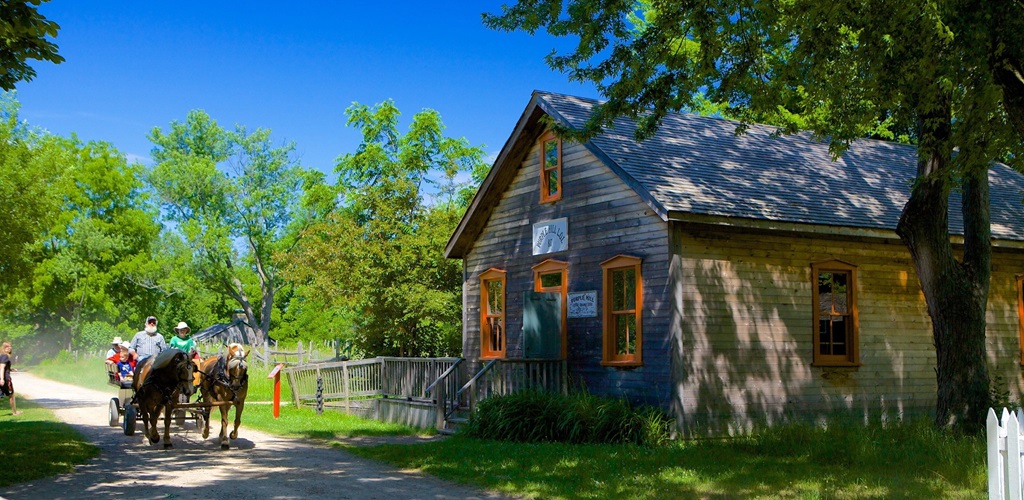
Fanshawe Pioneer Village’s collection of material culture, including furniture, domestic tools, vehicles, and agricultural equipment, was gathered through community donations and reflects the agricultural and social history of the region. The site also hosts seasonal special events and exhibits that expand the narrative of this rural landscape, evolving how visitors understand the connection between settlement, labour, and community development.
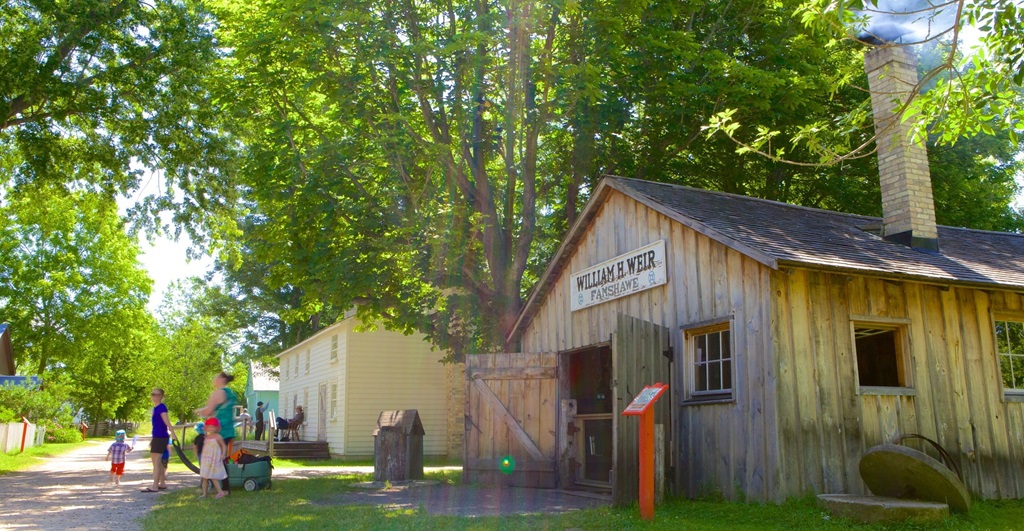
Interpretation at Fanshawe Pioneer Village acknowledges that the land has a longer Indigenous history, and recent interpretive efforts incorporate broader historical perspectives in collaboration with community voices.