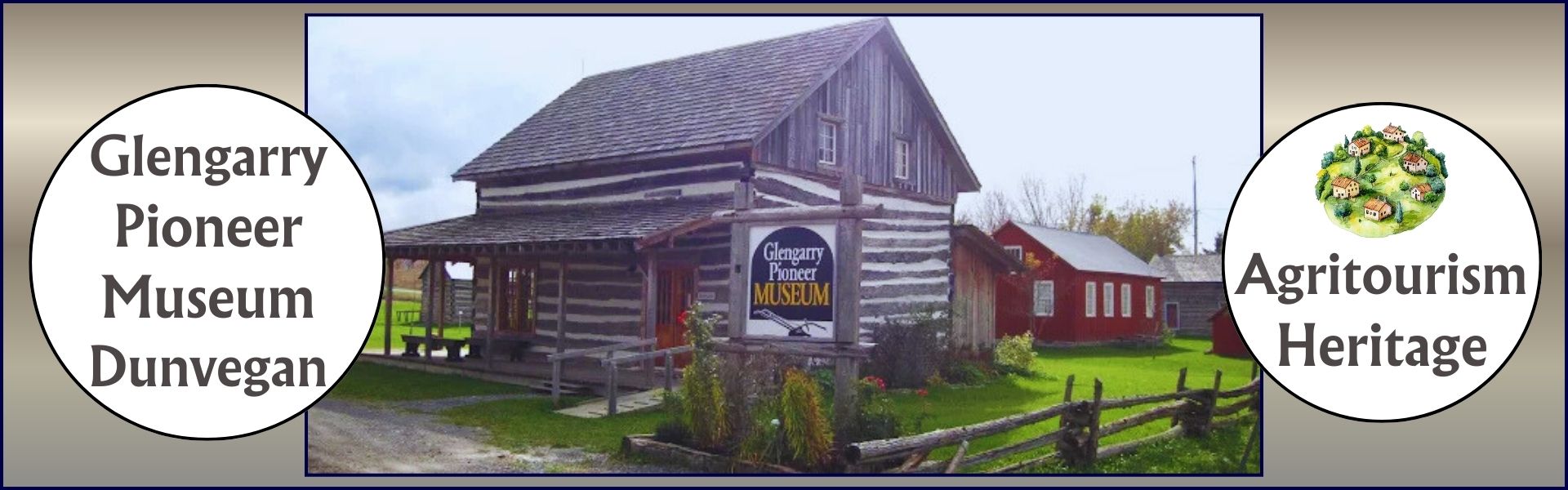




Glengarry Pioneer Museum — Dunvegan
📍 1645 County Road 30, Dunvegan, Ontario
🏛 Historic pioneer museum preserving Glengarry’s rural heritage
🌾 Historic buildings, farm artifacts, Scottish settler traditions
Plan Your Visit
📍 Location: Dunvegan, Ontario (Glengarry County)
🕒 Season: Open seasonally with heritage events and demonstrations
🏛 Experience: Historic buildings, pioneer artifacts, heritage exhibits
🚗 Parking: On-site parking available
🌐 Official Website: Glengarry Pioneer Museum
Discover the Rural Heritage of Glengarry County
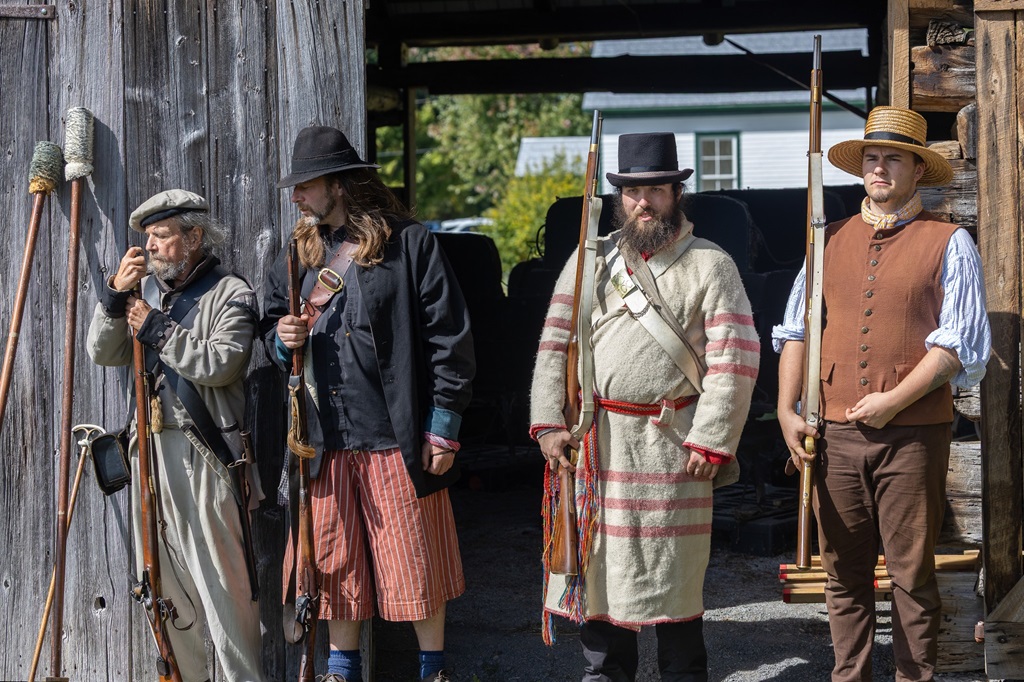
Located in the historic community of Dunvegan in Glengarry County, the Glengarry Pioneer Museum preserves the traditions and stories of the Scottish settlers who helped establish farming communities in Eastern Ontario.
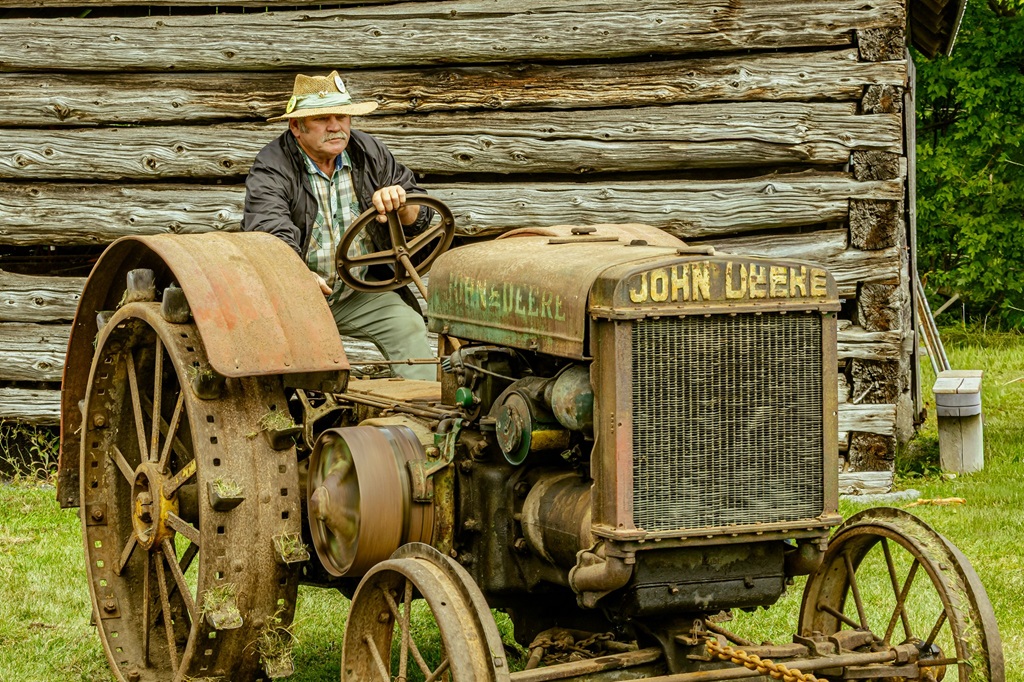
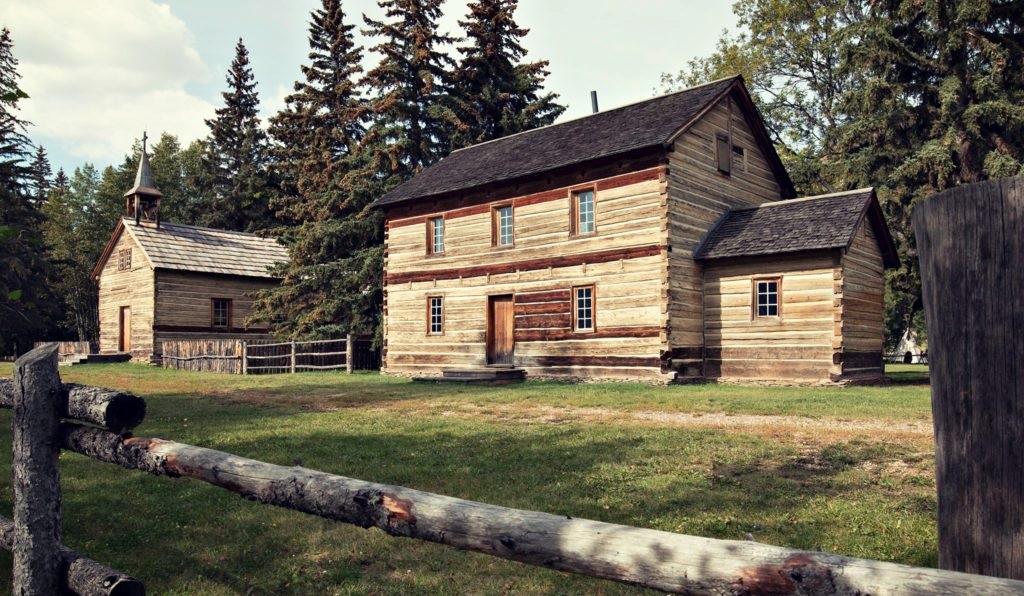
The museum grounds feature a collection of historic buildings and exhibits that reflect rural life in the region during the 19th century. Visitors can explore homes, barns, and community buildings that illustrate how early settlers built farms and established thriving agricultural communities.
Through its exhibits and seasonal programs, the museum highlights the agricultural heritage and cultural traditions that continue to shape Glengarry County today.
Did You Know?
Glengarry County was one of Ontario’s earliest areas of Scottish settlement, and many of the farming traditions introduced by those settlers continue to influence the region today.
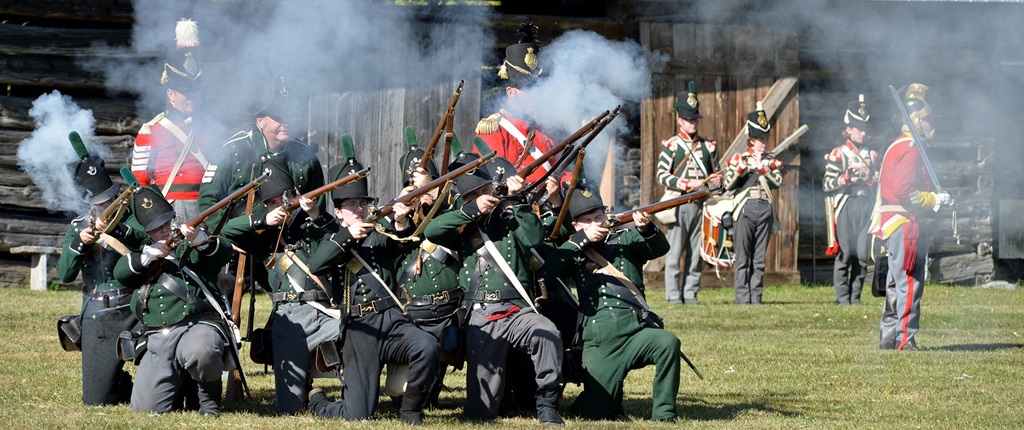
The Heritage Attraction at a Glance & the Story Behind the Site
The Glengarry Pioneer Museum preserves and interprets the early rural history of eastern Ontario, focusing on the settlement and agricultural development of Glengarry County during the 19th century. Located in the village of Dunvegan, the museum brings together historic buildings, artifacts, and exhibits that reflect everyday life in one of Ontario’s most culturally distinct regions, long known for its strong Scottish heritage.
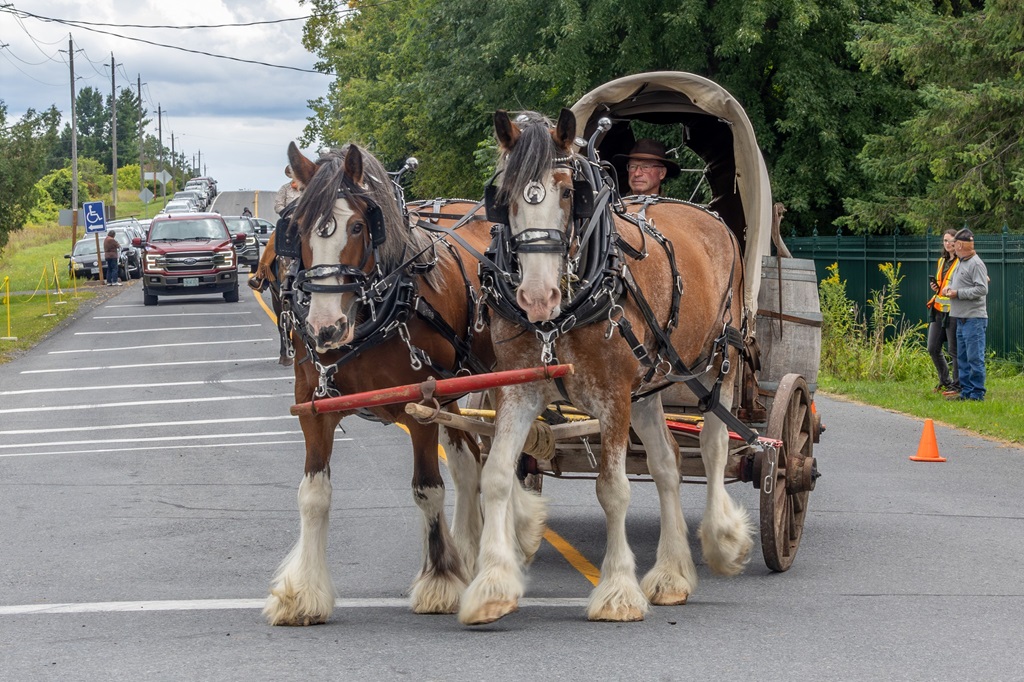
The museum was established to ensure that local buildings, tools, and traditions were not lost as rural life modernized. Over time, structures and collections were carefully preserved to form a heritage site that tells the story of how families lived, worked, worshipped, and built community. Interpretation at the museum places settlement history within a broader context, acknowledging that the area’s history extends far beyond European arrival.
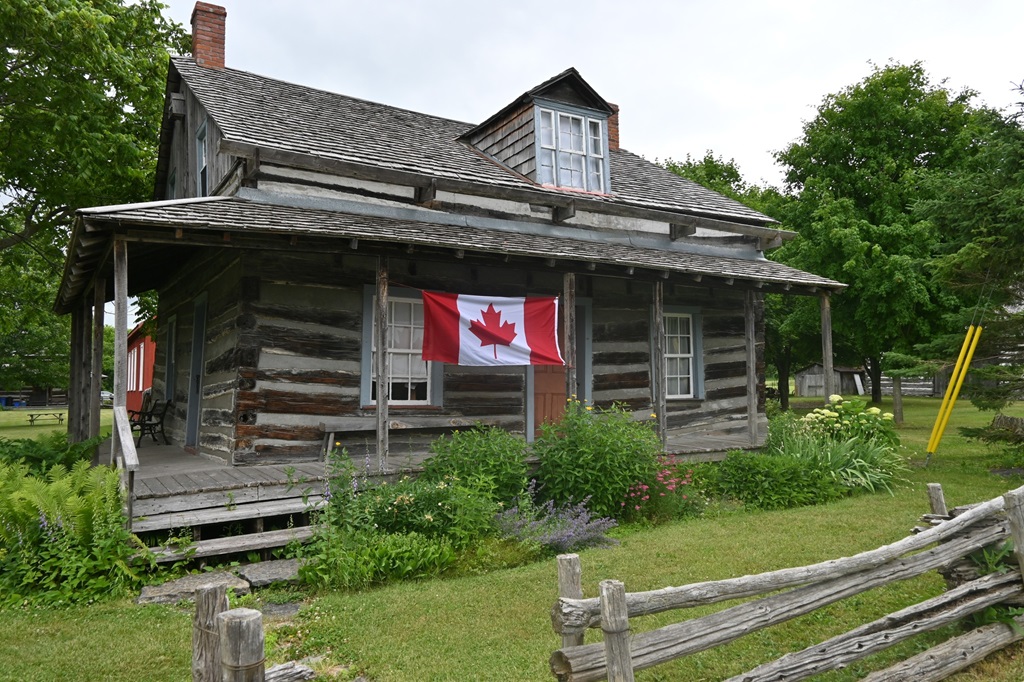
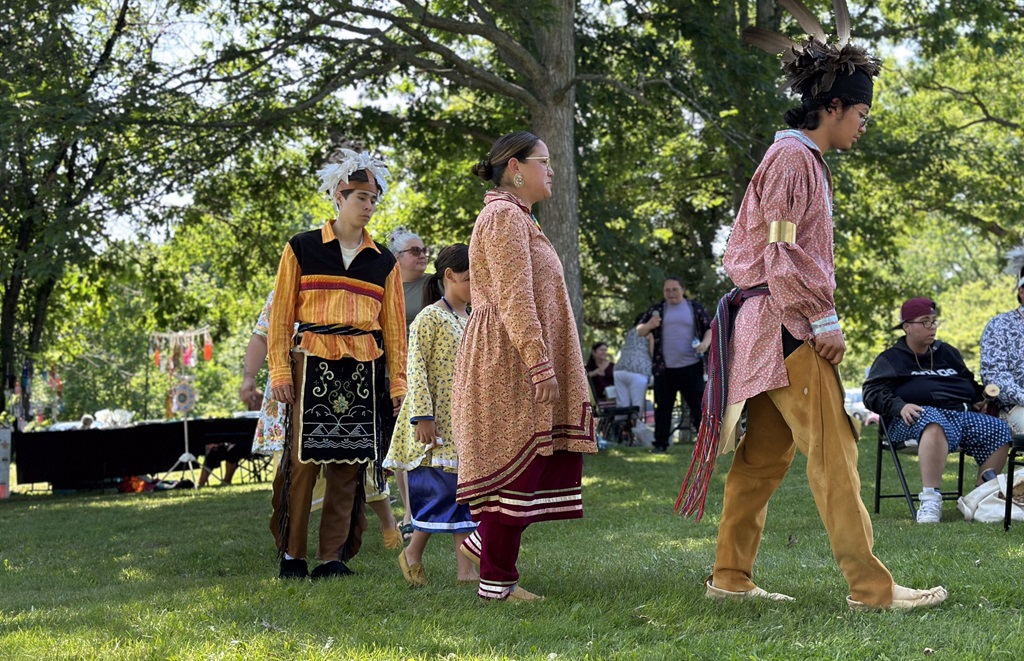
The land on which the museum stands is part of the traditional territory of the Kanien’kehá꞉ka (Mohawk) and other Haudenosaunee peoples, including those connected to the nearby Akwesasne community. The museum recognizes the long-standing Indigenous presence in the region and the importance of understanding Glengarry’s history as a layered story that includes Indigenous stewardship of the land prior to and alongside settlement.